
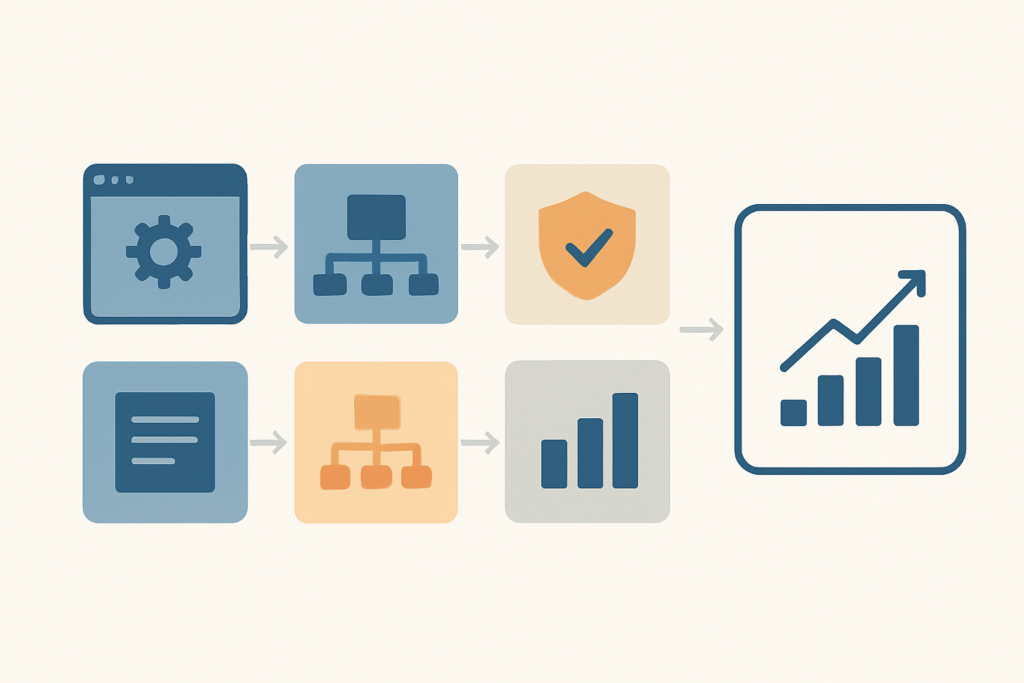

Sustainable organic growth is rarely blocked by one missing SEO tactic. To boost search engine rankings, Shopify and WooCommerce retailers need to identify the technical, content, architecture, and authority gaps stopping valuable pages from earning qualified clicks.
The old approach treated SEO as a monthly batch of keywords, blog posts, and rank reports. High-performing retailers treat it as a revenue system: make priority pages accessible, match them to real buying intent, earn trust, and measure what reaches the checkout.
That distinction matters when paid acquisition costs keep pressuring margins. A collection page that earns visibility for a high-margin category can support revenue for years, but only if merchandising, development, content, and SEO are working from the same priorities.
How to Boost Search Ranking: Start With a Prioritized SEO Baseline
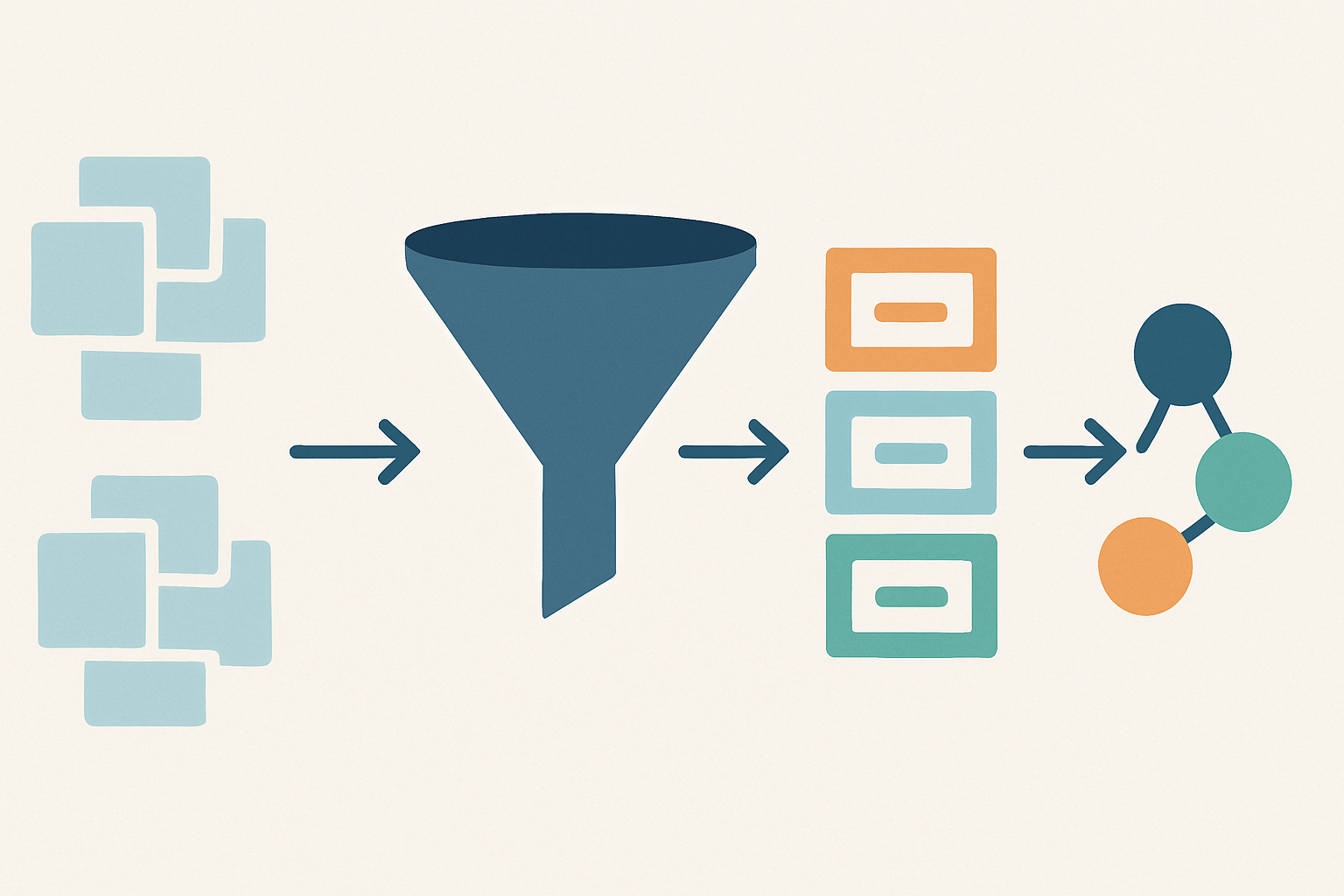
To boost search ranking, start by finding pages with demand and near-page-one visibility, then fix technical barriers, improve intent match, strengthen internal links, and earn relevant authority. Track rankings alongside organic traffic, conversions, and revenue, because a position increase without commercial value is not the goal.
Search engines use automated systems to assess many signals and determine which pages are most relevant and useful for a query. Rankings are assessed primarily at the page level, while site-wide quality, trust, and technical signals help systems interpret the page in context.
For an eCommerce operator, the work follows four disciplines: diagnose, prioritize, execute, and measure. Skipping the first two creates a familiar failure mode: teams spend weeks rewriting low-value product copy while an indexation problem suppresses an entire collection.
First 30 days: a focused sequence
- Export Google Search Console data for priority collections, products, and guides. Flag high-impression pages with weak click-through rates and queries sitting in positions 11 to 30.
- Crawl the store, verify sitemap coverage, and investigate indexation, redirect, duplicate-page, and broken-link issues.
- Map commercial keyword groups to collections, products, comparison pages, and buying guides. Identify where the current page type does not fit the query.
- Improve the highest-value pages first, including titles, headings, copy, images, internal links, and product information.
- Set a monthly revenue scorecard before launching new content or authority campaigns.
Diagnose What Is Holding Your Store Back
Symptoms are easy to spot. A category page has impressions but few clicks, a product cluster is absent from Google Search, or organic traffic rises while conversion quality falls. Causes require closer inspection.
Review index coverage, query and page performance, crawlability, internal-link pathways, duplicate URLs, content usefulness, and referring domains. Google Search Console supplies the demand and performance evidence; a crawl reveals whether priority URLs can be found, rendered, and indexed as intended.
Use site-audit and webmaster tools to surface common technical problems, then validate each finding against the store’s commercial priorities. A warning on an archived collection is not equivalent to a canonical issue on a category that drives a meaningful share of revenue.
A weak collection page can have several causes at once. It may target a query with the wrong intent, compete with filtered URL variants, receive too few contextual internal links, lack useful category guidance, or have no relevant external authority supporting the domain. Fixing only the title tag will not resolve that stack.
Prioritize Opportunities by Revenue Potential and Effort
The best opportunities are rarely the loudest issues in SEO tools. They are the pages where search demand, margin, conversion potential, and realistic execution effort meet.
Use this matrix in a working session with your eCommerce lead, developer, and merchandiser. It stops the team from optimizing every alert and directs effort toward search engine results that can affect the P&L.
| SEO lever | What to check | eCommerce example | Effort | Expected business impact | Owner |
|---|---|---|---|---|---|
| Near-page-one pages | Queries ranking 11 to 30 | A profitable collection just outside page one | Low to medium | High | SEO and content |
| Indexation repair | Important URLs missing or canonicalized incorrectly | Seasonal category excluded from the index | Medium | High | SEO and development |
| Intent alignment | Page type and copy fail to answer the query | A blog post ranks where shoppers need a collection | Medium | High | SEO and merchandising |
| Internal authority | Priority pages have few contextual links | Best-selling category is buried in navigation | Low | Medium to high | SEO and content |
| Authority gap | Competitors have trusted relevant mentions | Specialist retailer lacks trade-publication coverage | Medium to high | Medium to high | PR and SEO |
High impressions with low clicks can indicate a weak title, a poor query match, or a search result that loses attention to stronger competitors. High-margin collections with limited visibility deserve scrutiny even when their traffic is modest. Revenue potential, not raw keyword volume, should set the queue.
Cross-functional prioritization is difficult when a lean team is already managing inventory, launches, paid media, and site releases; Shopify and WooCommerce teams without the in-house capacity to audit, prioritize, and execute can use SEO.DIGITAL’s eCommerce-focused SEO support.
Build a Keyword and Content Strategy Around Buyer Intent
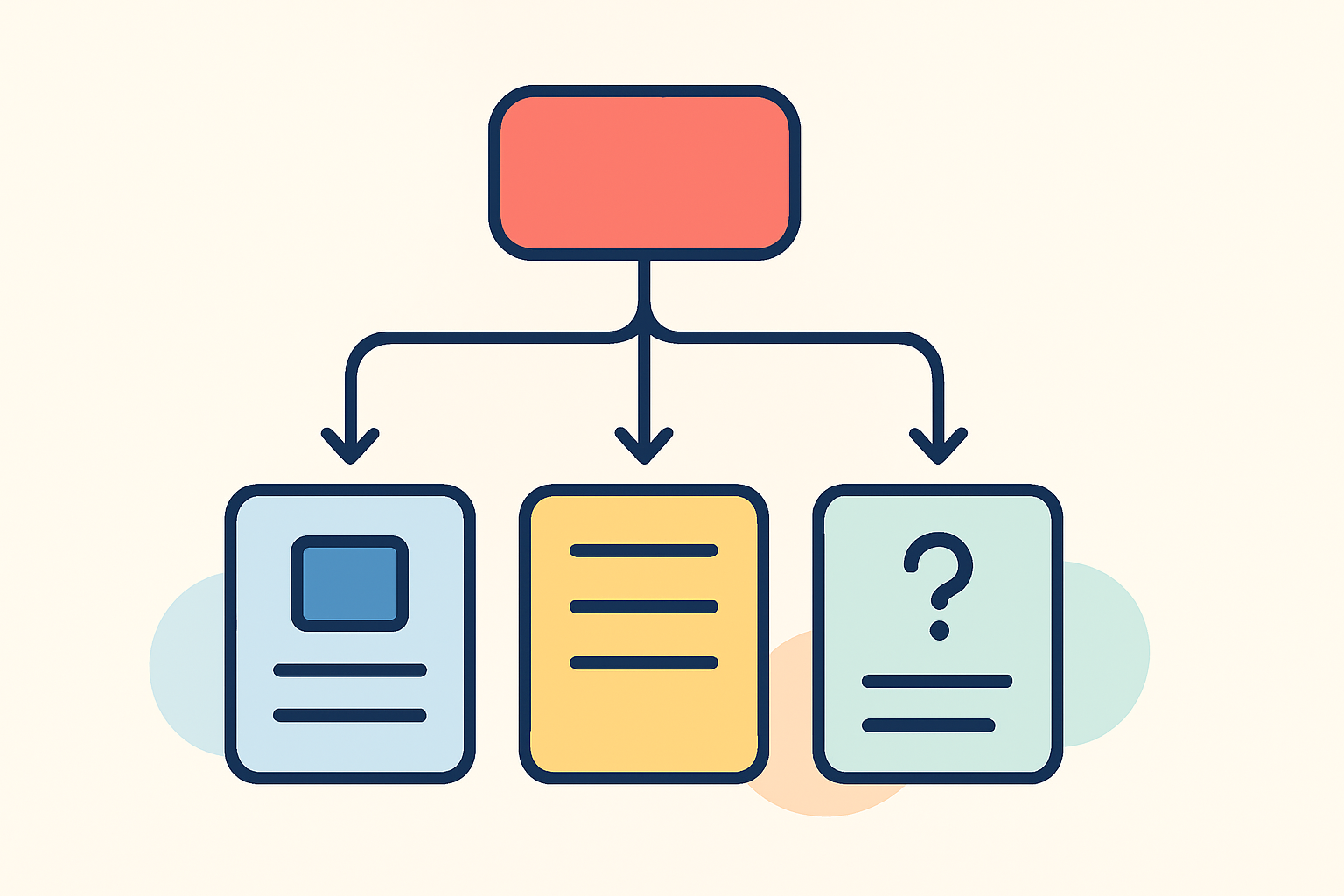
More content does not automatically produce more qualified traffic. A retailer needs the right page for the job, because someone searching for a product category, a compatibility answer, and a detailed comparison has three different expectations.
Keyword research maps demand to those expectations. It also exposes where a store relies on thin product pages for broad commercial queries that should be owned by a richer collection or category page.
A keyword ideas and related searches tool can help uncover modifiers, related questions, and language customers use. Use those findings as directional evidence, then confirm the actual search results and the commercial value of the topic before assigning content work.
| Search intent | Best page type | What the page needs | Typical retailer outcome |
|---|---|---|---|
| Broad category | Collection page | Range explanation, filters, featured products, helpful buying context | Qualified category traffic |
| Specific item or model | Product page | Accurate specifications, reviews, availability, variants, delivery information | Purchase-ready visits |
| Evaluation and comparison | Comparison page or buying guide | Clear trade-offs, use cases, original expertise | Assisted conversions and links |
| Problem or education | Editorial guide | Direct answer, practical detail, relevant product path | Early-stage demand capture |
Find High-Intent Keywords for Collection and Product Pages
Commercial intent often appears in the modifier, not just the head term. Material, size, compatibility, audience, use case, price band, and product attribute language tell you what a shopper is trying to solve.
A broad phrase such as “standing desk” may justify a comprehensive collection. A long-tail query such as “standing desk for small home office” reveals a narrower need and may warrant a curated category section, filterable landing page that is technically controlled, or an editorial guide that leads to relevant products.
Do not manufacture indexable pages for every filter combination. Faceted navigation can create near-duplicate URLs at scale, especially in large Shopify and WooCommerce catalogs. Build pages deliberately where distinct demand, a useful assortment, and differentiated content justify the investment.
Product pages should target the specific item, model, or tightly defined need. Collection pages should do heavier lifting for broader category demand. Comparison pages help evaluators who are deciding between approaches, brands, materials, or product types.
Upgrade Existing Pages Before Creating More Content
The fastest content opportunities are often already visible in Search Console. Look for pages earning impressions, pages with falling clicks, and URLs ranking just beyond the first page for commercially relevant queries.
Improve the full experience, not a single field. Tighten the title to reflect the query and product value, use headings that make the category easier to scan, add original buying guidance, clarify product selection, improve relevant visuals, and resolve weak internal pathways.
Avoid keyword stuffing. Search engines can interpret concepts and intent, while shoppers quickly notice repetitive copy that says little. The better standard is simple: each section should help someone choose, compare, understand, or use the product.
When a buyer’s question needs more detail than a collection page can provide, guide them to a related resource with meaningful search engine metrics before bringing them back to the most relevant category. That pathway gives the guide a purpose and sends internal authority toward a commercial destination.
Meta keywords are not a rescue lever for weak pages. Understanding search engines meta keywords helps teams avoid wasting development time on outdated fields and focus instead on visible page quality, crawlability, and intent alignment.
Write Content That Can Earn Clicks, Links, and AI Citations
Generic AI-assisted copy has a predictable ceiling: it restates what already exists. It may speed up topic research, outline production, clustering, and first drafts, but it cannot replace product expertise, original testing, customer insight, or editorial accountability.
Make every significant page answer a defined shopper or evaluator question. Use descriptive headings, direct answers near the top, accurate product context, clear distinctions between options, and claims that your team can substantiate.
This format supports featured snippets and AI search engines because the information is easier to extract and assess. It also makes the page more valuable to journalists, reviewers, and niche publishers deciding whether to reference it.
Fix the Technical Foundations That Limit Search Visibility
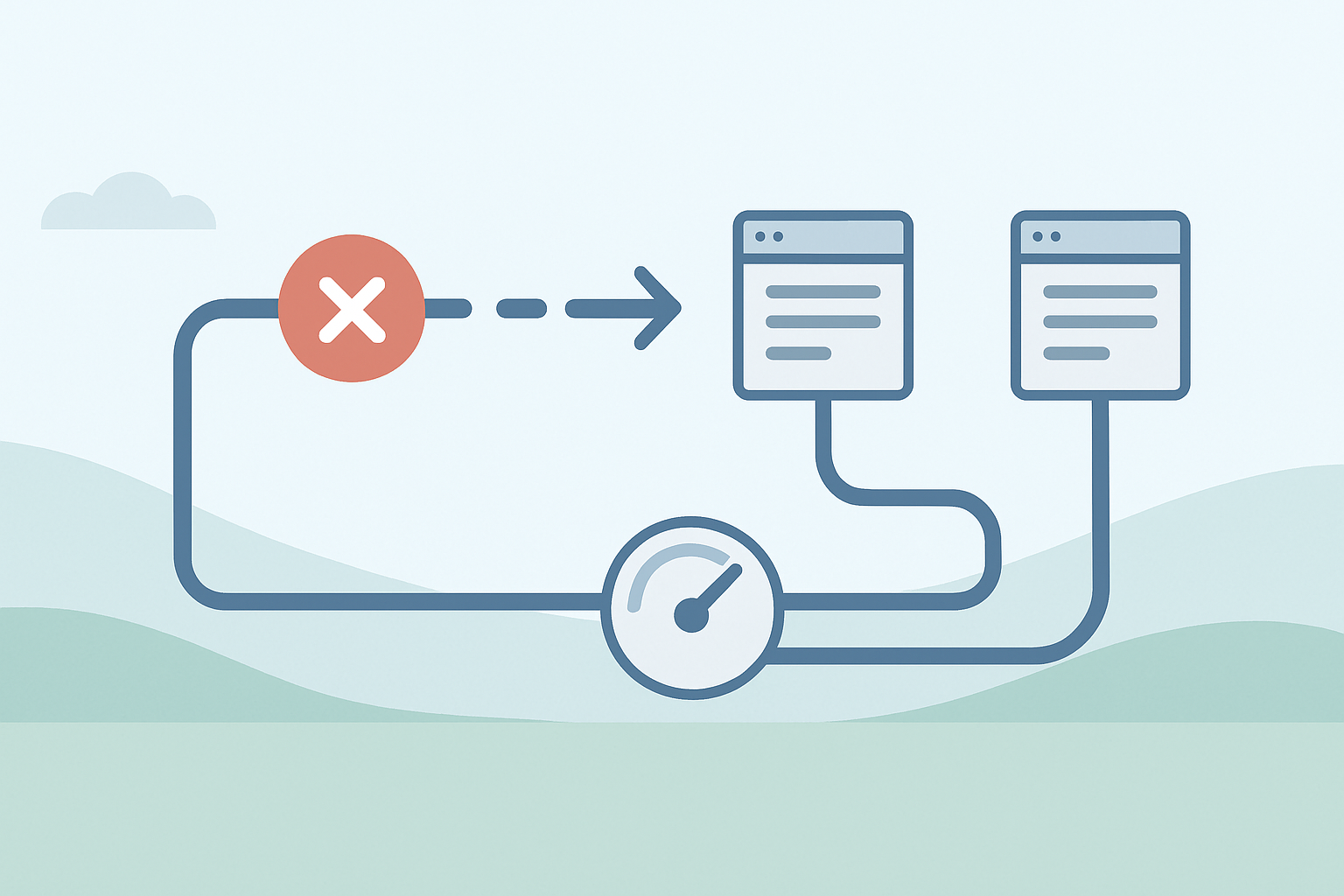
Technical SEO is not a substitute for content or authority. It makes your content and authority usable by ensuring search engines can discover, understand, and serve the pages that matter.
An inaccessible category page cannot compete, no matter how strong its copy is. A slow, script-heavy product page can also frustrate mobile shoppers before they evaluate the offer.
Run a technical SEO crawling tool to identify broken links, redirect chains, duplicate metadata, and indexability problems at URL level. Then turn crawl data into implementation tickets that name the affected templates, revenue priority, owner, and validation method.
Improve Crawlability, Indexation, and Duplicate-URL Control
Catalog complexity creates technical debt fast. Filtered collections, variants, pagination, discontinued products, search-result URLs, and parameter variations can all create confusing signals about which page should rank.
Search engines need clear access to priority product, category, and editorial URLs. Keep XML sitemaps current, check that important pages are indexable, use canonical signals to identify the preferred version among duplicates, and redirect retired URLs only when there is a genuinely relevant replacement.
Check accidental noindex directives and blocked resources after theme changes, app installations, migrations, or merchandising updates. These are operational changes with SEO consequences, not abstract developer details.
Out-of-stock management needs judgment. Permanently removed products may need a relevant redirect or a clear discontinued-page approach. Temporarily unavailable products can still retain useful demand and links when the page provides expected availability information and relevant alternatives.
Improve Page Speed and Mobile Shopping Experience
Heavy imagery, unnecessary apps, render-blocking scripts, and an overloaded theme can turn a product page into a slow shopping experience. Page speed supports both user experience and the efficient access search systems need to understand a page.
Start with image sizing and compression, then assess third-party scripts, app overlap, theme code, caching, and hosting constraints. Do not remove a conversion-critical feature on principle, but require every script to justify its performance cost.
Test priority collection and product templates on mobile, where cramped filters, unstable layouts, and hard-to-tap controls create friction. A technically clean desktop page can still lose mobile demand if category navigation and checkout paths are difficult to use.
Use Internal Links to Clarify Site Architecture
Internal links establish discovery and context. They show shoppers and search engines how a buying guide, category, product family, and related collection belong together.
A material-selection guide should link naturally to the relevant product collection. A compatibility article should lead to compatible products, while a category page can link to adjacent collections where the shopper’s need overlaps.
A guide that helps shoppers evaluate materials, fit, compatibility, or use cases should naturally point readers to the deeper resource that answers the next question in their journey. Well-placed cheap search engine optimization guidance can also help a budget-conscious operator distinguish sensible prioritization from shortcuts that create long-term risk.
Use descriptive anchors and link to the page that completes the task. Avoid sitewide blocks of repetitive commercial anchors, which add little context and can make important pathways harder to interpret.
Earn Authority With Relevant Links, Digital PR, and Brand Mentions
Authority is earned when credible sites and real communities reference a brand because its products, expertise, research, or resources are useful. Bulk link volume is not the objective.
Google’s link-analysis systems use links as one part of understanding relevance and helpfulness. The practical lesson from Google’s overview of the Penguin link-spam update remains clear: manipulative, irrelevant, and scaled backlink tactics create risk without building a defensible brand.
Build Links That Support Commercial Pages Without Manipulation
The strongest link opportunities begin with something worth citing. That can be original product research, a useful buying resource, expert commentary, a transparent materials guide, supplier insight, or data that a niche publisher genuinely needs.
Digital PR, manufacturer relationships, specialist publications, and credible editorial coverage can all build relevant authority. Some links will point to content assets rather than a collection page directly, which is often natural. Internal links then help translate that earned attention toward priority commercial pages.
Assess competitors to understand the gap, not to copy their weakest tactics. Review the publications that mention them, the topics that attract references, and the pages earning links. Build an approach that fits your products and buyer journey.
Strengthen Brand Trust Beyond Traditional Backlinks
A retailer can have technically sound pages and still lack the third-party validation buyers expect. Brand mentions, expert commentary, digital PR, and authentic participation in relevant communities help create a more credible discovery footprint.
This is not a claim that a social post directly improves Google rankings. The business case is stronger: show up helpfully where buyers research, publish information people want to reference, and maintain accurate signals about what your brand knows and sells. Those activities can support online visibility across traditional and AI-mediated discovery.
Need a revenue-focused roadmap? Shopify and WooCommerce brands that need a prioritized plan for technical fixes, buyer-intent content, and authority building can request SEO.DIGITAL’s custom strategy and site-health audit.
Track Rankings, Organic Revenue, and AI Search Visibility
Rankings are a leading indicator, not the finish line. A number-one position for an irrelevant query does not lower CAC; a top-five position for a high-converting category may materially change the acquisition mix.
Build reporting around product and category clusters, not one sitewide ranking average. A useful dashboard connects non-branded impressions and clicks to sessions, conversion rate, assisted revenue, and direct organic revenue.
Build a Practical Monthly SEO Scorecard
Review the same decision-making metrics every month. This cadence makes it easier to separate seasonal demand changes from technical losses, content wins, or competitive movement.
- Non-branded visibility: Impressions, clicks, and click-through rates by query group.
- Priority page rankings: Positions for revenue-driving collections, products, and comparison pages.
- Technical health: Indexed-page coverage, crawl errors, redirects, and duplicate-page trends.
- Commercial outcomes: Organic sessions, conversion rate, organic revenue, assisted revenue, and CAC context.
- Authority signals: New relevant referring domains, credible mentions, and priority content references.
Segmenting the scorecard prevents a strong blog-traffic month from masking a decline in commercial category visibility. It also gives merchandising, content, and development teams a shared view of why a ticket matters.
Use search engine optimization kpis that connect actions to outcomes. A ranking report becomes useful when it tells the team which category has gained qualified demand, which page needs intervention, and whether the work is supporting profitable growth.
Prepare for AI Search Without Abandoning SEO Fundamentals
AI search engines are additional discovery surfaces, not a replacement for search engine optimization. Their interfaces and citation behavior change, so no tool or formatting trick can guarantee mentions.
The dependable work is familiar: publish original expertise, structure answers clearly, keep product information current, earn credible third-party references, and maintain a site that is easy to access and understand. Monitor brand mentions and citations where tooling permits, then use findings to identify missing questions or weak source material.
Human review remains non-negotiable. Incorrect specifications, invented claims, or generic product advice damage trust with shoppers long before they help a page appear in search results.
Frequently Asked Questions About Boosting Search Engine Rankings
How to Boost Search Ranking?
Assess pages with demand and near-page-one visibility, remove technical barriers, improve intent match, add contextual internal links, and earn relevant authority. To boost search engine rankings sustainably, measure the resulting organic traffic, conversions, and revenue rather than chasing positions alone.
What Are the Top 10 Best Search Engines?
For this article’s scope, the ten important search and discovery environments are Google, Bing, Yahoo, Yandex, DuckDuckGo, Baidu, Amazon, TikTok, ChatGPT Search, and Perplexity. The first six are traditional web search engines, while the latter four serve product discovery or answer-driven search differently.
What Is the #1 Search Engine in the World?
Google is the dominant global search engine referenced in the supplied market research. Most eCommerce brands should therefore focus the majority of technical and content effort on Google Search, while monitoring Bing and AI discovery as supplementary opportunities.
What’s the Most Unbiased Search Engine?
“Unbiased” is subjective because search results vary by query, location, language, index, personalization, and platform policies. DuckDuckGo is commonly positioned as privacy-focused, but no search engine can be considered fully unbiased for every user or search.
Turn SEO Work Into a Predictable Organic Revenue Channel
The stores that improve organic visibility consistently do the unglamorous work well. They prioritize commercial opportunities, make the store technically accessible, publish useful buyer-focused content, build logical internal paths, earn relevant authority, and measure business impact.
That is how you boost search engine rankings without depending on isolated optimization sprints or superficial reports. The result is not a guarantee of a specific position, but a more resilient acquisition channel that can reduce dependence on paid media over time.
If you run a Shopify or WooCommerce store generating $50k+ MRR, book a call with SEO.DIGITAL for a no-obligation deep-dive consultation focused on your revenue goals, technical obstacles, competitive gaps, and highest-impact path to scalable organic growth.