
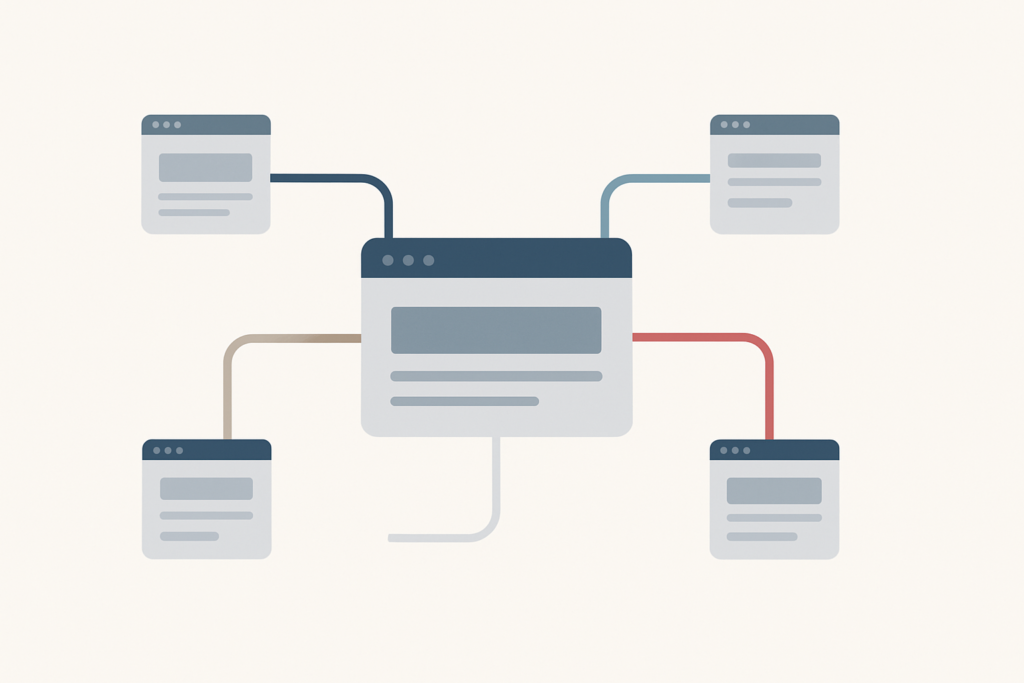

Different types of backlinks can either compound eCommerce growth or consume budget without reaching a single qualified shopper. The label alone does not determine value. Relevance, placement, technical attributes, and the reason the link exists do.
The old approach treated link building as a numbers race: buy a package, report a rising link count, and hope rankings follow. High-performing Shopify and WooCommerce brands work differently. They build a backlink profile around pages that deserve attention, publishers with real audiences, and links that can support visibility, referral traffic, and revenue.
A backlink is an incoming link from another website to yours. You may also hear it called an inbound, external, incoming, or one-way link. The clearest way to assess the different types of backlinks is through four lenses: its technical attribute, how it was earned, where it appears, and its quality or risk level.
What Are Backlinks in SEO—and Why Do They Matter?
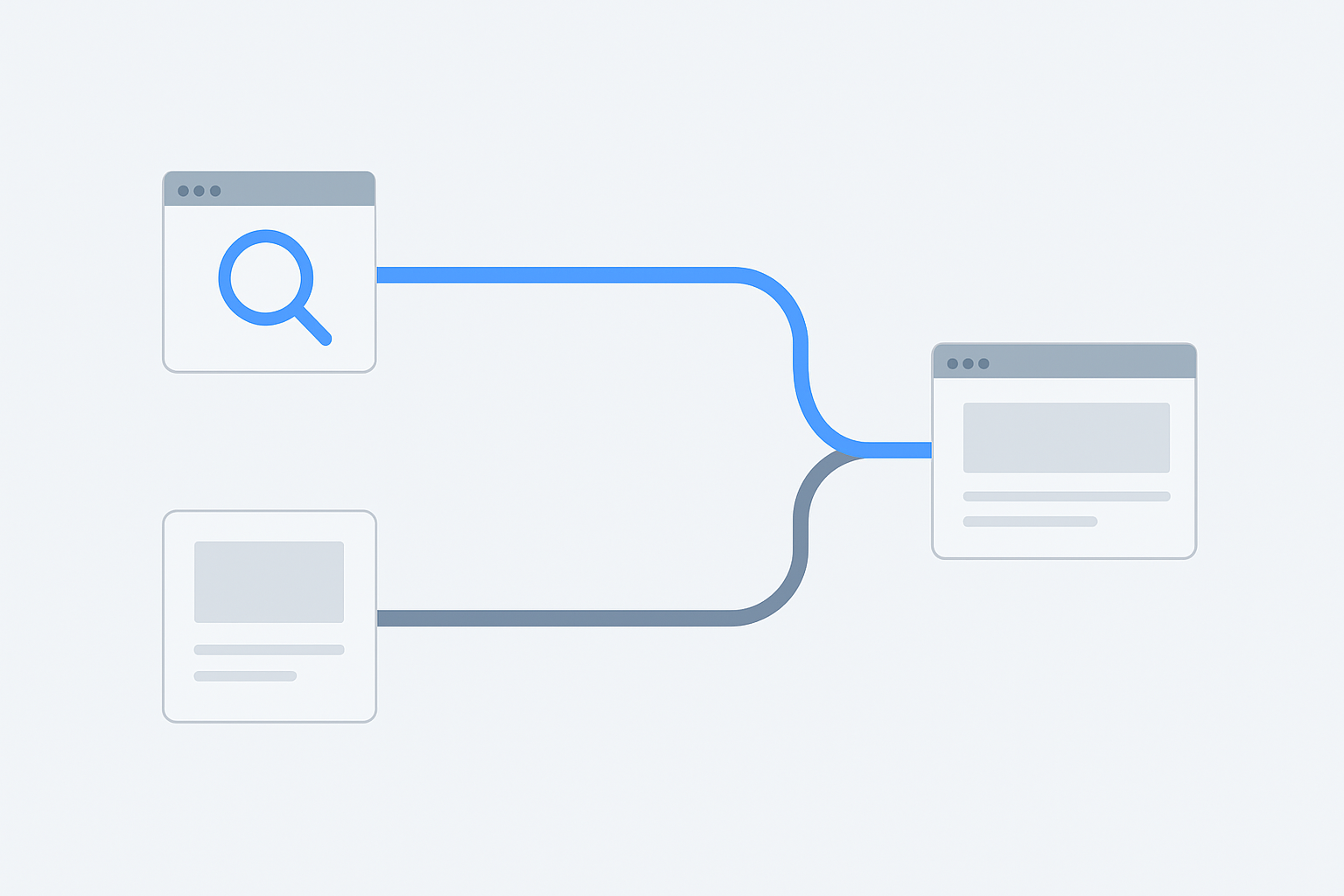
Backlinks help search engines find pages and understand associations between websites, topics, and resources. They also create a direct route from a relevant article, directory, partner page, or community discussion to your store.
That second function matters commercially. A link from a trusted hiking publication to a detailed trail-shoe fitting guide can put a high-intent reader in front of the exact resource they need. A random link from an unrelated site may add to a report, yet deliver no meaningful referral traffic or customer value.
More visibility creates more opportunities to earn clicks, which is why it helps to understand how first-page search visibility can affect click opportunity. High-quality backlinks can contribute to that visibility when they are earned naturally and point to useful, accessible pages.
Link building is therefore not just outreach. It is the work of creating a credible reason for another site to send its readers to a specific page on yours.
The Four Questions to Ask About Any Backlink
One link can belong to several categories at once. A journalist might place an editorial, contextual, dofollow link to your research. A creator may use a sponsored attribute on a paid partnership link. A forum member can add a UGC link that still sends excellent traffic.
Before pursuing or approving a placement, ask:
- What attribute applies? Is it a standard link, nofollow, UGC, or sponsored?
- How did it happen? Was it editorially earned, a business profile, a guest contribution, a partnership, or user-generated content?
- Does the context fit? Would readers reasonably expect the referring page to link to this destination, using accurate anchor text?
- What is the commercial outcome? Can it build trust, send relevant visitors, support search engine rankings, or does it introduce unnecessary risk?
This framework prevents a common reporting mistake: treating every new referring domain as equal. It also makes the wider landscape of backlinks in seo easier to evaluate against a store’s actual growth objectives.
Technical Types of Backlinks: Dofollow, Nofollow, UGC, and Sponsored
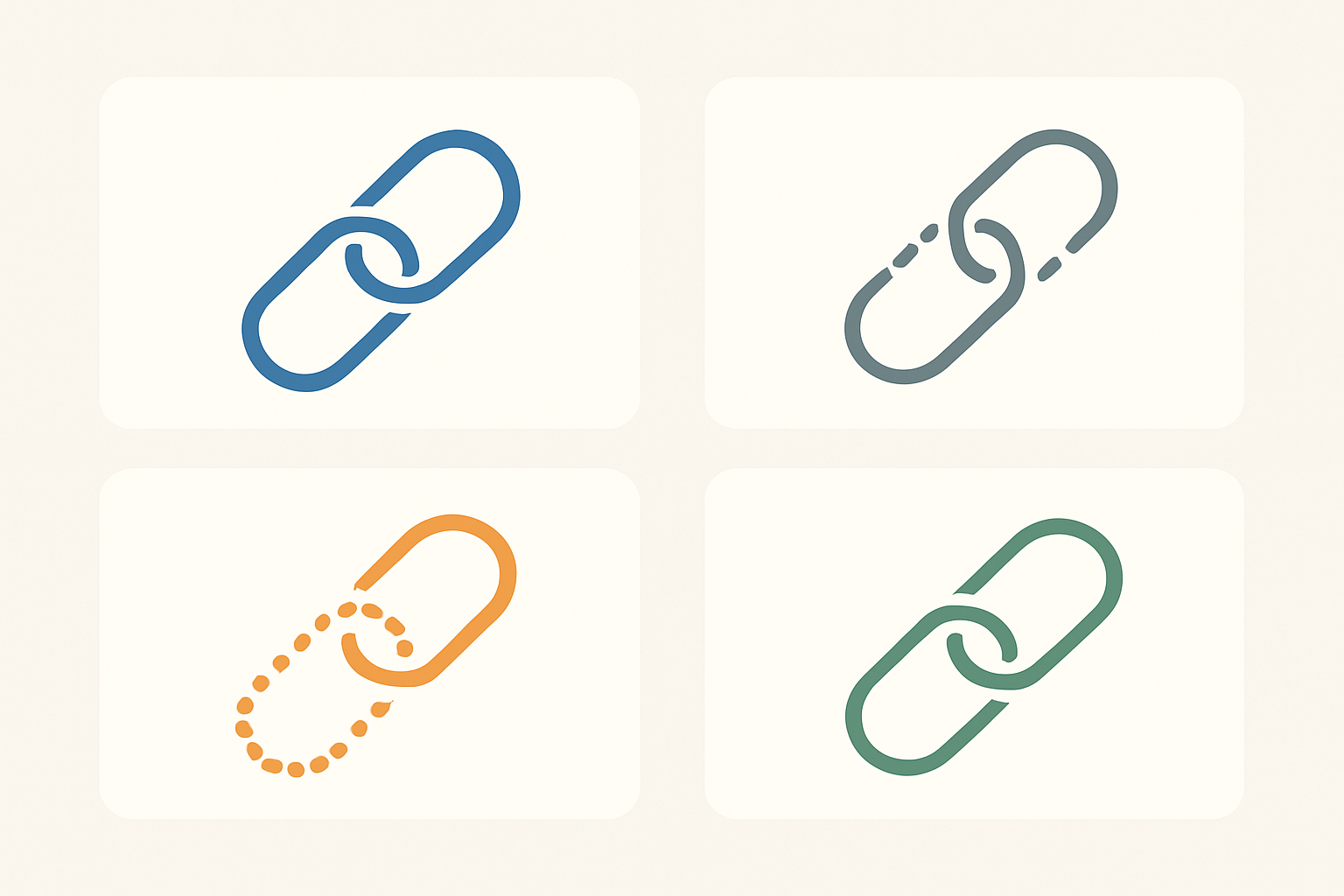
Technical attributes describe the relationship signaled by a link. They are not link-building tactics, quality scores, or guarantees of SEO impact.
The table below separates the four attributes that eCommerce teams see most often. A publisher can apply these attributes for good reasons, and a natural backlink profile usually contains more than one.
| Link type | Basic HTML pattern | Intended meaning | Primary benefit | Misuse warning |
|---|---|---|---|---|
| Dofollow | <a href="https://example.com"> |
Standard link with no restrictive rel value |
Editorial endorsement potential, discovery, referral visits | A dofollow link is not automatically a quality backlink |
| Nofollow | rel="nofollow" |
Not a conventional endorsement | Referral traffic, discovery, profile diversity | Do not dismiss it as worthless |
| UGC | rel="ugc" |
User-generated content such as forum posts or comments | Useful community referrals when earned through participation | Mass posting is spam, not community building |
| Sponsored | rel="sponsored" |
Paid placement, advertising, or sponsorship | Transparent campaign visibility and traffic | Do not buy undisclosed ranking-oriented placements |
Dofollow Backlinks
A standard hyperlink without rel="nofollow", rel="ugc", or rel="sponsored" is commonly called a dofollow backlink. There is no rel="dofollow" attribute. The absence of a restrictive attribute is what people mean by “dofollow.”
Relevant editorial dofollow backlinks are often desirable because they provide a clear contextual association between the referring content and your destination page. A well-placed link from a home-improvement guide to a genuinely useful flooring-care resource is far more meaningful than a dofollow link from an unrelated coupon page.
The attribute is only one signal. Weak content, forced anchor text, a sitewide footer placement, or an irrelevant referring audience can make a dofollow link a poor investment.
Nofollow Backlinks
Nofollow backlinks use rel="nofollow" to indicate that search engines should not treat the link as a standard editorial endorsement. That does not make the link commercially useless.
A nofollow citation in a respected industry publication can introduce your brand to buyers, generate qualified referral traffic, and lead to later coverage. Social media backlinks are frequently nofollow too, yet they can distribute a useful guide to people who share, cite, or purchase from it.
Treat nofollow as a context signal, not a rejection notice. A healthy backlink profile includes links that exist because real people found a resource, product, or perspective worth sharing.
UGC and Sponsored Backlinks
UGC stands for user-generated content. rel="ugc" is appropriate for links in reviews, comments, community posts, and forum discussions where users, not the site publisher, create the content.
Sponsored links use rel="sponsored" to identify paid advertisements, affiliate arrangements, and sponsorships. Proper disclosure protects the integrity of the relationship and separates legitimate promotion from link schemes.
A paid partnership can still be a smart customer-acquisition channel when the audience and offer fit. It becomes a problem when the real purpose is an undisclosed dofollow placement intended to manipulate search visibility.
The Best Different Types of Backlinks to Earn
The strongest link is rarely defined by a single label. It is a credible, relevant placement that helps a specific audience reach a destination page that solves their next problem.
For most eCommerce brands, prioritize earned editorial links, digital PR, useful resource-page citations, and meaningful industry relationships. Business profiles, social distribution, and community participation support discovery. They should not replace the primary authority work.
Editorial Backlinks and Natural Backlinks
Editorial backlinks are citations a publisher chooses because your content improves their page. They are often the highest-value pattern because the referring site has an independent reason to link, the placement sits within relevant copy, and the audience has a reason to click.
For a store, linkable assets are not generic blog posts. They are assets a writer, retailer, or customer would genuinely reference: original category research, a sizing calculator, a material-care guide, a product comparison framework, expert buying advice, or customer trend data.
Natural backlinks are the outcome of that usefulness. If a bedding brand publishes a properly researched guide to thread count and fabric durability, lifestyle editors and interior-design resources have a legitimate reason to cite it. That is a more durable proposition than asking dozens of sites to link to a product page with no supporting value.
A resource earns editorial attention when it answers a question better than the alternatives. That is the core principle behind effective types of backlinks, not the pursuit of a particular metric.
Digital PR, Expert Quotes, and Press Release Backlinks
Digital PR turns real expertise, original data, product innovation, partnerships, and timely commentary into credible coverage opportunities. A useful expert quote or data point can earn a contextual citation while putting the brand in front of an audience that already cares about the category.
The news angle must be real. A meaningful study on customer purchasing behavior, a new product technology, or a partnership that changes the shopper experience gives journalists and niche publishers something relevant to cover.
Press releases serve a narrower purpose. They document legitimate announcements and can support brand visibility, but they are not a reliable shortcut to ranking authority. Google’s treatment of links in press releases is a useful reminder that syndicated release links should not be treated as guaranteed editorial endorsements.
Guest Post Backlinks
Guest post backlinks can work when an experienced operator contributes original, useful material to a publication with real editorial standards. The best outcome is not simply a link. It is a credible piece of expertise that reaches a relevant audience and includes a natural contextual reference where it helps readers.
An author-bio link can aid discovery, while an in-content link may offer stronger contextual relevance. Neither justifies scaled guest posting on weak sites built primarily to sell placements.
A practical test is simple: would the publisher run this article if no link were included? If the answer is no, the placement is unlikely to build the kind of durable authority an eCommerce brand needs.
Resource Page Backlinks
Resource pages curate guides, tools, studies, and references around a subject. A pet retailer’s breed-specific feeding calculator, for example, may be useful to a veterinary resource page if it is accurate, complete, and genuinely helps pet owners.
The outreach succeeds only after the asset earns its place. Before outreach begins, the asset itself must solve a clear customer or publisher need. That standard is more valuable than sending hundreds of template emails.
Relevant resource page backlinks can produce lasting referral traffic because visitors arrive with a defined informational need. They are especially useful for category education, product-care resources, retailer guides, and original research that supports a buying decision.
Business Profile and Directory Backlinks
Business profile backlinks establish legitimate brand discovery points. Accurate profiles and respected niche directories can help customers verify who you are, find your website, and access consistent business information.
Their role is foundational, not primary authority building. A credible industry listing may send useful traffic and support local or category visibility. Thousands of generic directory submissions will not substitute for editorial backlinks from sites your customers actually read.
Prioritize listings where a buyer, supplier, retailer, or partner would realistically search. Keep brand details current and consistent, then move the bulk of authority-building effort toward stronger contextual opportunities.
Testimonial, Review, Partner, Podcast, Video, and Image Backlinks
Relationship-driven links can be valuable because they emerge from a real commercial or editorial connection. A genuine testimonial for a software provider, a supplier partnership page, a podcast appearance, a webinar recap, or an image credit can all place your brand in front of a relevant audience.
The deciding factor is authenticity. Do not exchange discounts, products, or services solely for an undisclosed ranking-oriented link. Make the testimonial useful, the partnership clear, and the destination relevant to the reader’s next step.
These opportunities are situational, not a repeatable volume channel. They can strengthen brand credibility and referral pathways when they reflect relationships your business actually has.
Supporting Backlink Types That Can Drive Visibility and Referral Traffic
Not every useful link should be judged as an authority link. Some placements are supporting channels: they put useful resources in front of people, demonstrate genuine participation, and create the conditions for future editorial coverage.
Use these selectively. The operating rule is contribution before promotion.
Social Media Backlinks
Social profiles, shared guides, video descriptions, and creator posts can introduce a resource to a relevant audience quickly. Many of these links are nofollow backlinks, but a buying guide that reaches the right audience can still drive visits, shares, saves, and later citations.
Use social distribution to amplify work that deserves attention. A strong product-care guide, research asset, or comparison tool gives people something worth passing along. Repeatedly posting commercial links without context does not.
Forum, Q&A, Comment, and UGC Backlinks
Community links work when the brand resolves a specific problem. A thoughtful answer in a niche forum that links to a detailed sizing guide may help readers and send qualified traffic. A pasted product URL in every thread will be ignored, removed, or reported.
Answer first. Link only when the resource directly resolves the question and adds information the response cannot reasonably contain on its own.
Mass comments, automated posting, keyword-stuffed profiles, and self-serving signatures are link schemes in practice. They create noise, not authority.
Backlink Types to Avoid or Treat as High Risk
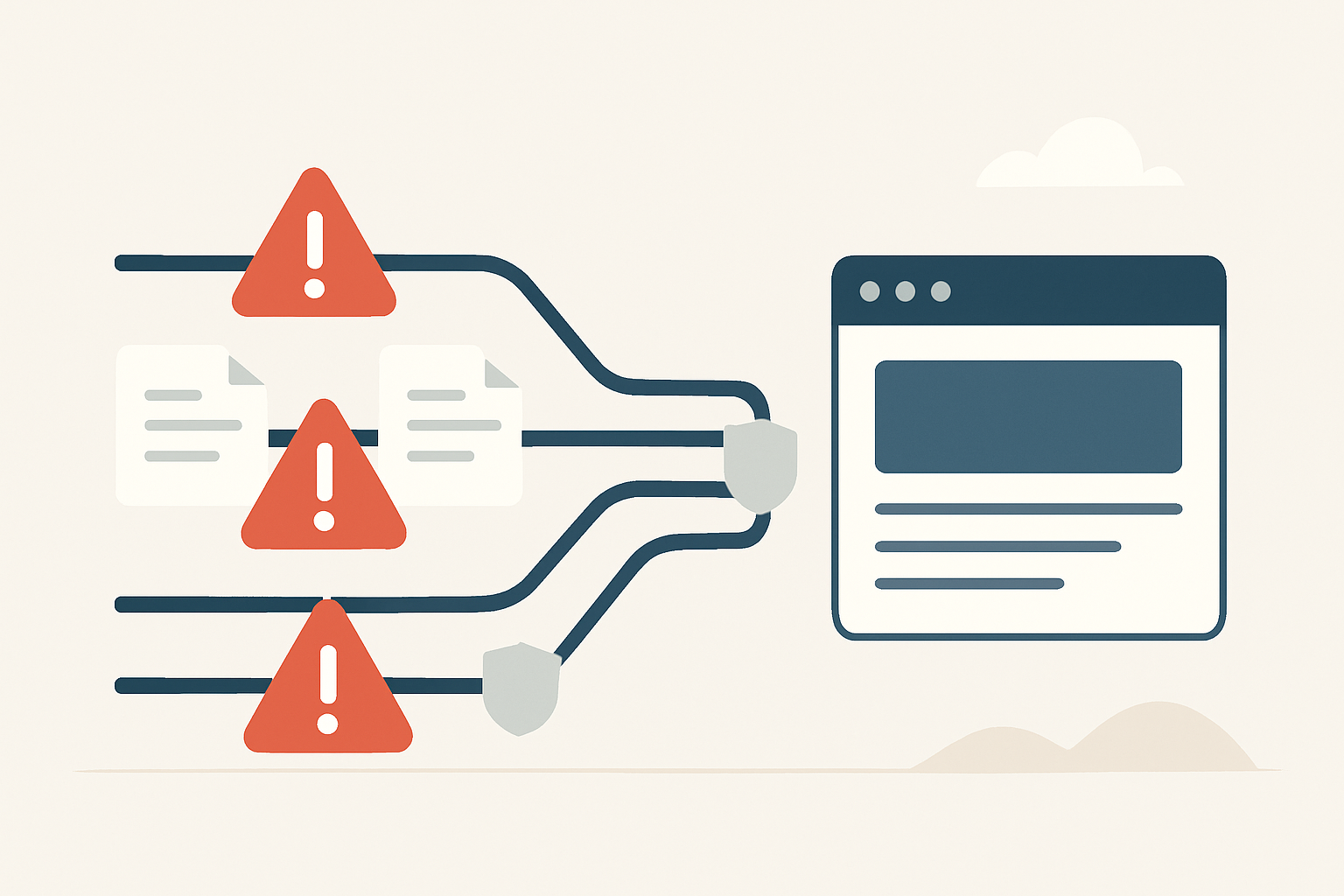
The dividing line is practical: does this link exist because it helps the referring site’s audience, or because someone is trying to manufacture ranking signals? The second category can waste money, distort performance reporting, and create avoidable risk.
A red flag does not require a complicated audit. Watch for these patterns:
- Guaranteed rankings tied to a fixed quantity of dofollow links.
- Irrelevant publishers with no credible audience overlap or editorial standards.
- Repeated exact-match anchors that sound unnatural in surrounding copy.
- Hidden or sitewide placements inserted across widgets, footers, or sidebars.
- Opaque sourcing where the vendor will not identify sites, placements, or risk controls.
Paid Dofollow Links, Link Farms, and PBN Backlinks
Paid dofollow links purchased primarily to influence rankings are a high-risk shortcut. The issue is not paying for advertising or sponsorship. The issue is disguising a commercial arrangement as an independent editorial recommendation.
Link farms exist to create links at scale with little attention to readers, topical relevance, or content quality. Private blog networks, commonly called PBN backlinks, use networks of controlled sites to manufacture the appearance of authority.
Neither model builds a genuine customer pathway. A store may see a temporary rise in link totals, but it gains little real audience reach and inherits instability that can surface later in lost visibility or a difficult cleanup process.
Automated Links, Spam Comments, and Low-Quality Directories
Automated links and comment spam are operationally easy because they remove judgment from the process. That is exactly why they fail the usefulness test.
Irrelevant forum posts, automated blog comments, and mass directory submissions do not help a publisher’s audience. They also make it harder for your team to identify which links, if any, are connected to qualified referral traffic.
Legitimate business profile backlinks are different. They are accurate listings on credible, relevant platforms, maintained because customers may use them. Scale and relevance separate foundational visibility from low-quality directory spam.
Excessive Link Exchanges, Hidden Widgets, and Sitewide Footer Links
A reciprocal link is not automatically bad. Suppliers, retailers, and partners may have a legitimate reason to link to one another. The risk appears when exchanges are forced, repeated at scale, or structured mainly to manipulate search engine rankings.
Hidden widget links and keyword-stuffed footer links are more direct warning signs. They are often placed across many pages without a reader-focused reason, creating volume but little meaningful context.
A single relevant contextual link in useful body content is generally easier to justify than a sitewide link repeated across hundreds of pages. Placement is part of quality.
What Makes a Backlink Valuable?
A valuable backlink connects two useful things: a referring page with a credible audience and a destination page that fulfills the promise made by the anchor text. Remove either side, and the link’s commercial value drops fast.
Use this scorecard before approving outreach targets, partnerships, or vendor placements:
Relevance: Does the referring page cover a topic your destination page genuinely supports?
Real readership: Does the site appear to serve actual people, with useful content and an audience that could become customers?
Editorial context: Is the link placed naturally within relevant copy rather than hidden in a template area?
Accurate anchor text: Does the linked phrase describe the destination without forced keyword repetition?
Destination readiness: Is the target page indexable, fast enough, useful, and aligned with the visitor’s intent?
Commercial potential: Could a relevant visitor reasonably engage, subscribe, inquire, or buy?
Relevance, Context, and Anchor Text
Topical relevance is the first filter. A cookware guide linking to a detailed cast-iron care resource makes sense. A gambling site linking to that same page does not become valuable simply because it has a high third-party authority score.
Anchor text is the visible, clickable wording of a link. It should set an accurate expectation for the visitor. Natural phrases such as “cast-iron maintenance guide” or “how to season a skillet” are clearer than repeatedly forcing an identical commercial keyword into every placement.
The surrounding copy matters too. A contextual editorial backlink has a logical role in the paragraph, supporting the reader’s understanding rather than interrupting it.
Authority Is More Than a Metric
Third-party metrics can help prioritize outreach prospects, but they cannot tell the entire story. They do not prove that a page has real readers, editorial standards, relevant traffic, or a useful connection to your store.
A respected niche publication with a focused audience may deliver stronger referral traffic and better commercial alignment than a large but unrelated website. High-quality backlinks earn their value from credibility, context, and audience fit, not from a single score.
This is why a link building strategy should inspect the actual referring page. Look at what it covers, who it reaches, where the link will live, and whether the audience has a plausible reason to care about your destination.
Link Placement and Destination Page Quality
Links placed in the main body of relevant content typically offer clearer context than sidebar, footer, widget, or other sitewide placements. Image links can be useful as credits or visual references, but their destination and surrounding context still need to make sense.
The destination page is often ignored. Building links to a thin collection page, broken URL, blocked page, or generic homepage wastes the opportunity. For eCommerce, authority should reach commercially meaningful collections, robust buying guides, category-supporting education, and helpful product resources.
Technical readiness is non-negotiable. If the page cannot be crawled, indexed, understood, or converted, even a strong earned link will not perform at its full potential.
A Practical Link Building Strategy for Shopify and WooCommerce Brands
A sustainable strategy starts before outreach. It begins with a clear view of existing referring domains, the pages already earning links, technical weaknesses, commercial category priorities, and the gaps competitors have filled with genuinely useful resources.
Follow this sequence:
- Audit the profile. Review existing links, lost links, anchors, attributes, risky patterns, and the pages receiving authority.
- Map priority pages. Identify collections, category pages, buyer guides, and resources that support high-intent organic demand.
- Build citation-worthy assets. Improve or create research, tools, guides, and expert content that solve a publisher or shopper problem.
- Pursue primary opportunities. Focus on editorial coverage, digital PR, resource pages, and relevant partner citations.
- Support distribution. Maintain legitimate profiles and participate in relevant communities without turning them into a link-drop channel.
- Measure business impact. Track referral quality, conversions, rankings, and organic revenue alongside new links.
Authority and backlink-profile review: SEO.DIGITAL offers Shopify and WooCommerce brands a focused review to identify risky link patterns, missed editorial opportunities, technical barriers, and pages that should receive authority. The output is a clear view of what is helping growth, what is creating exposure, and where deeper work belongs.
Prioritize Links by Business Value, Not Link Count
A link count alone cannot tell a founder whether an investment is working. Prioritization needs to account for authority potential, referral traffic, customer relevance, and risk.
- Primary opportunities: Editorial citations, digital PR, relevant resource pages, and meaningful industry or partner references. These have the strongest potential to build authority and reach qualified audiences.
- Supporting opportunities: Credible business profiles, authentic testimonials, social distribution, and useful community engagement. These reinforce discovery and can generate referrals.
- Avoid opportunities: PBNs, link farms, automated links, spam, undisclosed paid placements, and manipulative exchanges. These provide no dependable route to lasting customer demand.
Diversity does not mean collecting every type of backlink available. It means building a natural, strategically relevant mix that reflects how real customers, publishers, partners, and communities discover useful brands.
Measure What Happens After a Link Goes Live
Track the referring domain, the source-page topic, target URL, link attribute, anchor text, and whether the destination can be indexed. Then move past the link report: measure referral sessions, referral conversions, ranking movement, assisted conversions, and organic revenue.
A monthly report with dozens of new links but no context is not enough. Teams should be able to see which pages are attracting authority and whether those pages contribute to meaningful commercial outcomes.
Connecting SEO reporting to conversions rather than vanity metrics is what separates activity from performance. That perspective also answers how many backlinks should a website have: enough relevant, durable links to strengthen the pages and customer journeys that matter, not an arbitrary quota.
Frequently Asked Questions About Different Types of Backlinks
What Are the Four Main Types of SEO?
The four main types are on-page SEO, off-page SEO, technical SEO, and local SEO. Backlinks primarily support off-page SEO, and off page seo backlinks are a central part of that work, while on-page and technical work ensure the linked destination can be understood, indexed, and converted.
Do Backlinks Still Matter in 2026?
Yes. Backlinks remain useful for discovery, contextual credibility, referral traffic, and search visibility, but raw volume is far less meaningful than relevance, quality, natural acquisition, and destination-page usefulness.
What Are the Best Backlinks?
The best backlinks are relevant editorial links placed naturally in useful content on credible pages with real readership. They should accurately describe and send visitors to a destination that serves the same audience.
Which Backlink Is Most Powerful?
No label guarantees power. A contextual editorial dofollow link from a trusted, highly relevant page is often a strong pattern, but its value still depends on placement, audience overlap, anchor text, and the quality of the page receiving the link.
Build a Backlink Profile That Supports Long-Term eCommerce Growth
The hierarchy is clear. Earn relevant editorial links first. Use legitimate profiles, partnerships, social distribution, and community participation to support visibility. Reject link schemes that inflate reports while doing nothing for buyer trust or qualified traffic.
For Shopify and WooCommerce operators, different types of backlinks only create value when authority building connects to a technically sound store, research-backed content, commercial destination pages, credible digital PR, and transparent revenue reporting. The objective is not a larger spreadsheet. It is a lower-dependency, higher-intent organic growth channel.
If your Shopify or WooCommerce brand generates $50k+ MRR, book a call with SEO.DIGITAL for a no-obligation deep-dive consultation. We will assess revenue goals, organic-growth roadblocks, backlink opportunities, and technical site health before outlining a custom strategy.