


Most eCommerce brands do not have a traffic problem. They have a relevance problem: shoppers cannot find the answers, comparisons, and product education they need before they are ready to buy. That is why is content important for growth: it helps brands educate buyers, build trust, earn organic visibility, and guide decisions without relying only on direct sales messages.
The old approach treated content as a blog post published when someone had spare time. High-performing Shopify and WooCommerce brands treat it as a commercial asset, connecting useful information to collection pages, product discovery, email capture, customer confidence, and revenue.
This article breaks down the 10 business benefits of content, the formats worth prioritizing, and a practical framework for building an organic growth system rather than a pile of disconnected posts.
What Is Content Marketing—and Why Does It Matter?
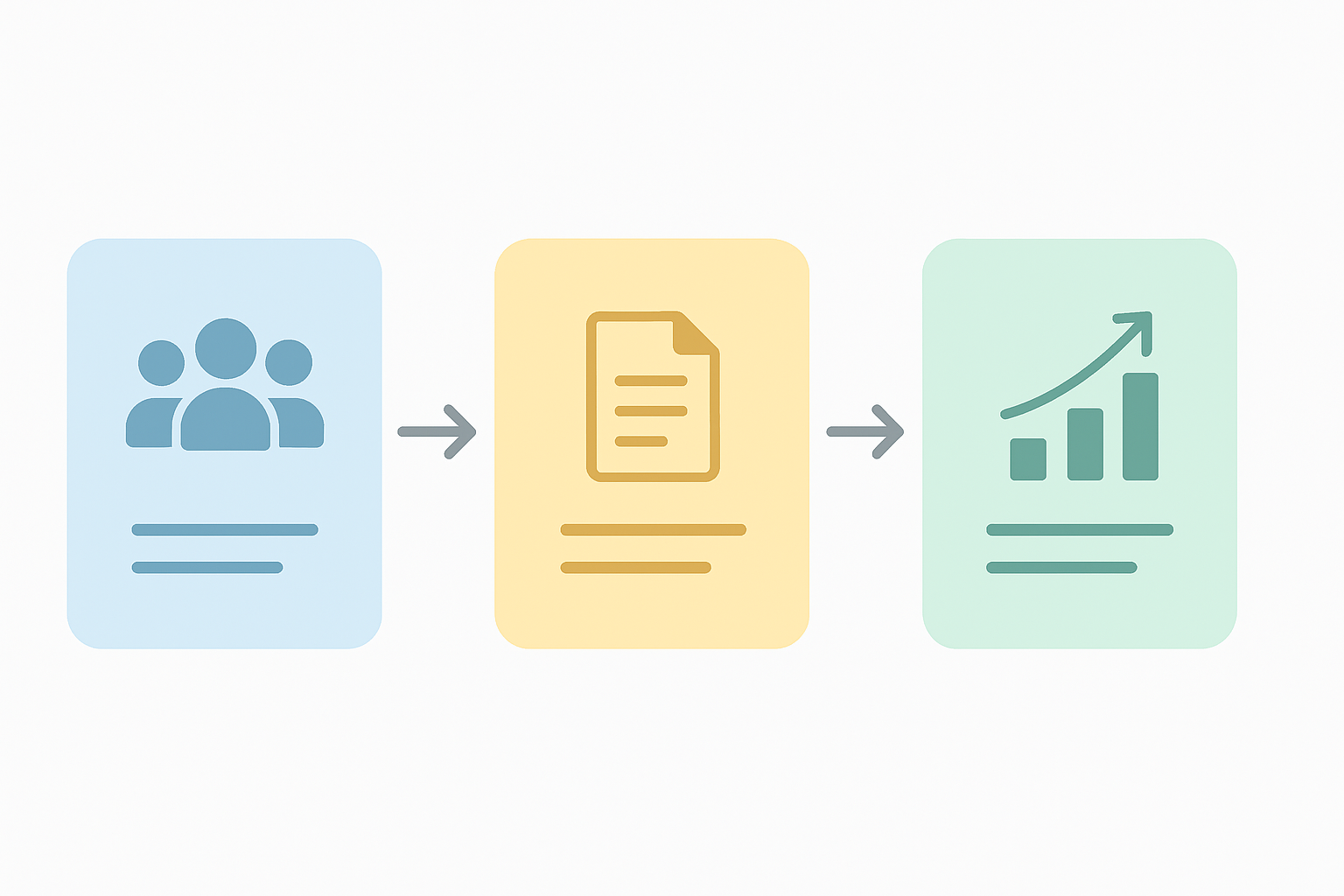
Content marketing is the planned creation and distribution of useful, relevant information for a defined audience. It is not filling a calendar with promotional copy, nor is it publishing articles purely because a competitor has a blog.
For a retailer, useful content answers a real question, reduces uncertainty, or helps a shopper take a logical next step. It can be written, visual, interactive, or audio-based, but every asset needs a job tied to an audience need and a business objective.
Search engine optimization makes that work discoverable. Start with an overview of search engine optimization if your team needs the practical link between useful pages, search visibility, and qualified organic traffic.
Content Is an Asset, Not Just a Marketing Task
A paid campaign stops when the budget stops. A strong guide can keep attracting, educating, and assisting shoppers long after publication.
That is the importance of content creation for eCommerce. A well-researched buying guide can be refreshed for a new season, linked from relevant category pages, adapted for email, and repurposed into social posts or product-support content.
The asset becomes more valuable when it has a clear place in a content calendar. It should be maintained as products change, inventory shifts, and customer questions evolve.
Why eCommerce Brands Need a Different Content Lens
Retail content has to do more than create awareness. It needs to help a person assess fit, compare options, understand materials, solve a product-use problem, or feel confident enough to purchase.
A skincare retailer might publish ingredient explainers and routine guides. A furniture brand may need room-planning advice, dimensions, care instructions, and comparison pages. Each asset should make the next relevant collection or product page easier to reach, without forcing a sale before the shopper is ready.
10 Reasons Why Content Is Important for eCommerce Growth
Content creates value before shoppers know your brand, while they evaluate options, and after they buy. The point is not to publish more. It is to make each asset useful at a specific moment in the customer journey.
1. Content Builds Trust Before a Shopper Is Ready to Buy
Shoppers can spot a hard sell immediately. Helpful answers, transparent product education, and honest guidance make a brand feel informed rather than pushy.
A detailed guide on choosing a running shoe, for example, earns more confidence than a product page that simply claims every shoe is ideal. That confidence drives repeat visits, product exploration, and eventual conversion.
This requires a user-first approach to SEO and content: solve the shopper’s problem first, then show where your products genuinely fit.
2. Content Improves Search Engine Visibility and Organic Traffic
Content is essential for SEO because search engines need useful, relevant information to understand a page and match it with the questions people search for. Keywords help communicate a topic, but clarity, depth, and user satisfaction determine whether the page deserves visibility.
A collection page alone rarely answers every non-branded question a shopper has. Supporting guides, FAQs, comparisons, and use-case pages give search engines more useful entry points and give visitors clearer paths to commercial pages.
Non-branded discovery matters because people often search for a need before they search for a retailer. Understanding why search matters for customer discovery makes the commercial case clear, including why SEO is important for eCommerce: search content can introduce your brand when purchase intent is beginning to form.
3. Content Helps More People Discover Your Brand
Brand awareness is not created by repeating a logo. It grows when people encounter genuinely useful answers while researching a problem, product category, or purchase decision.
Educational content lets a retailer appear before a shopper knows its name. A useful guide may be saved, shared, revisited, or surfaced again when that shopper is closer to purchase, building brand recognition through value rather than interruption.
The opportunity is substantial because digital research occupies real attention. Data on how much time people spend online reinforces why helpful, accessible information should be part of every digital marketing strategy.
4. Content Guides Shoppers Through the Customer Journey
Disjointed content creates disjointed buying behavior. A shopper who reads an early-stage article should not hit a dead end or receive a checkout prompt that ignores what they still need to know.
Use four stages to map content to intent:
- Awareness: Problem-solving articles, educational guides, and need-based explainers help people define what they need.
- Consideration: Category explainers, buying guides, sizing help, and comparison content help them evaluate options.
- Decision: Product details, reviews, FAQs, shipping information, and fit guidance remove final friction.
- Post-purchase: Care instructions, setup guides, complementary product education, and retention emails improve the customer experience after sale.
Consideration-stage shoppers often need comparisons, sizing guidance, or use-case education before choosing a product. That is why unique content is so important in SEO: original buyer-focused answers earn attention while giving readers a credible path toward the right collection.
Brands with plenty of content but no clear organic revenue path may benefit from an SEO.DIGITAL content and search opportunity review that maps high-intent behavior, technical store health, and revenue goals.
5. Content Creates More Qualified Leads and Conversion Opportunities
In eCommerce, lead generation is broader than a form fill. It includes email signups, wish-list additions, quiz completions, back-in-stock subscriptions, product-page progression, returning visitors, and direct orders.
The CTA must fit the page’s intent. An awareness guide might offer a related resource or email update, while a buying guide can direct shoppers to a relevant collection. Matching the next step to the reader’s readiness protects the user experience and improves the quality of conversion opportunities.
6. Content Makes Social Media More Useful and Shareable
A feed full of product promotions is easy to ignore. Social media works harder when it extends useful source content instead of becoming a disconnected stream of discounts.
One strong buying guide can become a short product-selection video, a customer-question post, an email segment, and a product-support FAQ. This is thoughtful content distribution, not copy-and-paste publishing across every channel.
Choose channels where your audience actually researches and discusses the category. Relevance beats chasing every trend.
7. Content Establishes Thought Leadership and Category Authority
Thought leadership is not having louder opinions. It is providing specific expertise, transparent evidence, and useful insight that helps people make better decisions.
For eCommerce brands, authority can come from sourcing knowledge, material expertise, product testing, honest comparisons, care guidance, and an informed point of view on the category. A retailer that explains trade-offs clearly becomes more credible than one that makes vague superiority claims.
High-quality content should be accurate, clearly structured, complete enough to solve the question, and easy to verify. That is the standard behind credible category authority.
8. Content Strengthens User Experience and Purchase Confidence
Content is part of the shopping experience. When a visitor cannot understand sizing, shipping, compatibility, product use, or returns, the issue is not merely copy. It is purchase friction.
Strong pages use direct answers, useful headings, readable formatting, current details, visual support where it helps, and clear next steps. Weak pages create exits and hesitation because the shopper is forced to find answers somewhere else.
9. Content Can Reduce Reliance on Paid Acquisition Over Time
Content is not free, and it is not an overnight substitute for paid media. It requires research, writing, optimization, technical support, distribution, and regular maintenance.
But a successful evergreen asset can keep generating qualified organic traffic after publication. That creates an owned discovery channel that reduces over-reliance on increasingly expensive paid acquisition and gives brands more control over customer acquisition cost.
The financial case improves when one guide supports several pages, campaigns, and channels. The goal is not ad-spend elimination. It is a healthier acquisition mix.
10. Content Creates a Long-Term Competitive Advantage
A useful content library compounds. Over time, it expands topic coverage, creates stronger internal pathways, earns more branded searches and mentions, and gives customers more reasons to return.
The moat does not come from volume alone. It comes from depth, usefulness, technical accessibility, authority signals, and steady improvement.
This is the practical meaning behind content is king in SEO. Content only earns that status when it is connected to real shopper needs and supported by a site that search engines can crawl, index, and understand.
The Four Content Types Every eCommerce Brand Should Prioritize
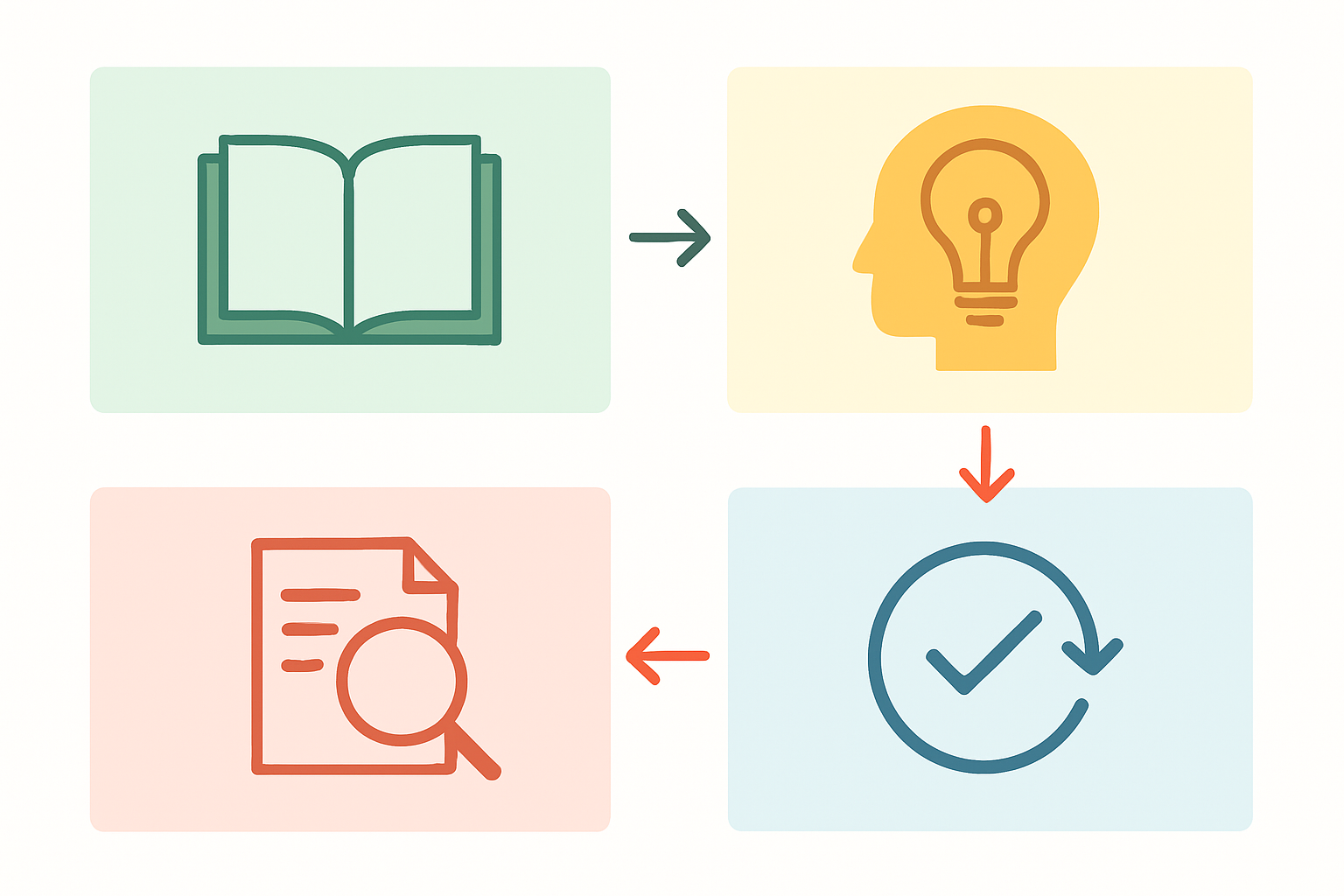
The four types of content that matter most are educational, consideration, proof, and retention content. Together, they cover the questions shoppers ask from first research through repeat purchase.
The table below helps teams choose formats by the job the content needs to do, rather than by whichever format happens to be fashionable.
| Content type | Shopper need | Best journey stage | eCommerce use case |
|---|---|---|---|
| Educational content | Understand a problem or category | Awareness | How-to guides, glossaries, trend explainers |
| Buying and comparison content | Evaluate options confidently | Consideration | Buying guides, sizing pages, material comparisons |
| Proof content | Remove final doubt | Decision | FAQs, reviews, demonstrations, shipping and returns explainers |
| Retention content | Get more value after purchase | Post-purchase | Care guides, setup content, replenishment emails |
Educational Content for Awareness
Awareness content captures early research intent. Use how-to articles, problem-solving guides, glossaries, and beginner resources to answer the questions people ask before they know which product they need.
These pages should not pretend to close every sale. Their job is to earn trust and lead naturally to a deeper guide or relevant category when that next step is appropriate.
Buying Guides and Comparison Content for Consideration
Buying guides should answer the same comparison questions shoppers would otherwise take to a search engine. Cover selection criteria, sizing, materials, trade-offs, use cases, and who each option suits.
This content needs honesty. If one product is better for a narrow use case, say so. That clarity improves user experience and leads shoppers toward a better-fit collection or product page.
Proof Content for Decision
Decision-stage visitors need evidence, not another broad educational article. FAQs, reviews, product demonstrations, shipping clarity, returns information, and detailed product-use guidance address the doubts that delay checkout.
Proof content should substantiate claims. Show how the product works, what customers can expect, and what happens if it is not the right fit.
Retention Content for Post-Purchase Growth
The sale is not the end of the content strategy. Care instructions, setup guidance, complementary product education, and replenishment reminders help customers get better results from what they bought.
That support strengthens loyalty, reduces avoidable support demand, and creates more credible repeat-purchase opportunities.
What Makes Content Valuable to Search Engines, AI Systems, and Shoppers?
High-performing content is easy to understand, accurate, relevant to the query, sufficiently complete, and technically accessible. No single ranking factor guarantees results, but content that consistently helps people gives both search systems and shoppers stronger reasons to trust it.
Relevance and satisfaction are not abstract concepts. They show up in whether someone finds an answer, continues reading, visits a product page, returns later, or leaves to find a clearer explanation elsewhere. Google’s approach to measuring search quality is a useful reminder that simplistic ranking assumptions rarely hold up.
Match the Searcher’s Actual Need
A person searching “what is content marketing” needs a clear definition. Someone looking for the best running shoes for flat feet needs practical selection help. A shopper researching a product category needs accurate comparison information.
Answer the central question early, then provide the detail needed to act. This is why content strategy starts with audience intent, not a list of keywords detached from shopper behavior.
Create Helpful, Original, and Complete Information
Quality is more than word count or keyword placement. It means original expertise, accurate details, clear structure, direct answers, useful examples, and enough depth to resolve the reader’s question.
Avoid thin summaries and generic AI-generated rewrites that add no evidence, experience, or practical value. Update useful assets as products, terminology, availability, and customer needs change.
Support Content With Technical Health and Authority Signals
Excellent writing cannot reach its potential if important pages are difficult to crawl, weakly internally connected, poorly indexed, or unsupported by credible authority signals. Content needs a technically sound Shopify or WooCommerce foundation.
That is why SEO.DIGITAL connects buyer-intent content with technical audits, high-authority links, digital PR, and genuine community relevance. Helpful participation in relevant discussions can support real-world trust; promotional spam cannot.
Need to find the blockage? Shopify and WooCommerce brands whose content is not being discovered, indexed, or converting qualified traffic can request a custom technical SEO and content-gap audit from SEO.DIGITAL.
How to Build a Content Strategy That Produces Business Value

A content strategy is a working operating system, not a document that sits untouched after a planning meeting. It connects audience research, commercial priorities, production, distribution, technical support, and revenue measurement.
1. Start With Audience Questions and Commercial Priorities
List the questions, objections, use cases, and product uncertainties your target audience encounters. Then identify where those needs overlap with profitable categories, seasonal demand, inventory, product launches, and available expertise.
Do not choose topics only because they promise large traffic numbers. The best opportunity is relevant traffic that can logically progress toward a product, collection, signup, or repeat visit.
2. Map Content to the Customer Journey
Assign every priority topic an awareness, consideration, decision, or post-purchase purpose. This prevents teams from creating five articles that answer the same early-stage question while ignoring the pages that would help customers evaluate and buy.
Every major asset should have a relevant next step. That might be a related guide, a collection page, a product page, an email signup, or post-purchase support.
3. Choose Formats Based on the Job To Be Done
Format follows need. Use detailed guides for complex questions, video for demonstrations, comparisons for evaluation, email for nurturing, social posts for distribution and conversation, and FAQs for direct friction reduction.
Repurpose strong source material thoughtfully. A guide can become several channel-specific assets, but each version should preserve the value and fit the context rather than duplicate text word for word.
4. Build a Realistic Content Calendar and Refresh Process
A credible content calendar accounts for new content, product launches, seasonal demand, promotional periods, distribution, quality reviews, and updates. Publishing schedules that ignore operational capacity usually collapse.
Refreshing an established, useful page can outperform creating a weak new one. Review older assets when product details change, search behavior shifts, or organic traffic begins to decline.
5. Measure Content Against Revenue, Not Vanity Metrics Alone
Measure the outcome that fits the asset’s role. Awareness content can be assessed through qualified organic traffic and engaged visits; consideration content through collection and product clicks; decision content through conversions and assisted revenue; retention content through repeat purchases and reduced support friction.
Pageviews and social likes can be useful signals, but they are not the final score. Transparent reporting should show how content contributes to business value.
Common Content Marketing Mistakes That Limit Results
The disadvantages of content marketing are usually the result of poor execution, not content itself. Low-value, unsupported, or unmeasured work consumes resources without giving shoppers a reason to trust or act.
Publishing for Volume Instead of Value
Thin pages, repetitive summaries, keyword stuffing, and content written without a defined audience need create clutter. A smaller group of strategic, useful assets can outperform a large volume of forgettable posts.
Prioritize original answers, practical expertise, and a clear purpose. Every piece should earn its place in the content strategy.
Treating Distribution as an Afterthought
Publishing is not distribution. Useful assets need relevant internal links, email promotion, social adaptation, digital PR opportunities, and, where appropriate, authentic community discussion.
Do not force every asset onto every channel. Put the right format in front of the audience most likely to benefit from it.
Ignoring Technical SEO and Internal Pathways
A strong article loses commercial value when it has no route to a collection, product, or related guide. It also loses search potential when crawlability, indexation, site performance, and internal linking are neglected.
A recurring review of technical health protects the value of the content investment. That is why SEO audit is important when traffic stalls despite useful pages and clear customer demand.
Frequently Asked Questions About Why Content Is Important
What Are the 5 Pillars of Content Strategy?
The five pillars are audience understanding, business goals, content planning, distribution, and measurement and optimization. SEO, quality standards, technical health, and authority support all five pillars rather than operating as isolated tasks.
What Are the Three C’s of Content Creation?
The three C’s are clarity, consistency, and customer value. Content should be easy to understand, published and maintained reliably, and genuinely useful to the person reading or watching it.
What Are the Four Types of Content?
For eCommerce, the four most practical types are educational content, buying and comparison content, proof content, and retention content. They support awareness, consideration, decision-making, and post-purchase growth across the full customer journey.
Why Is Creating Content Important?
Creating content is important because it turns customer questions into opportunities for trust, organic discovery, product education, and conversion support. For online retailers, it helps shoppers move from research to a confident next step without depending entirely on paid advertising.
Useful content becomes an organic growth asset only when it is connected to technical accessibility, authority, distribution, and revenue measurement. If your Shopify or WooCommerce brand generates $50k+ MRR and needs a transparent roadmap for high-intent organic growth, book a call for a no-obligation deep-dive consultation with SEO.DIGITAL.