


Technical failures do not announce themselves with a flashing revenue warning. They quietly leave product and collection pages undiscovered, slow down mobile shoppers, and make it harder for search engines to process the pages built to sell. That is why is technical seo important for eCommerce brands: content cannot reliably earn visibility when the store is inaccessible, duplicated, poorly rendered, or excluded from the index.
The old view treats technical SEO as a developer-only clean-up task completed once after launch. High-performing Shopify and WooCommerce stores treat it as revenue infrastructure that protects their catalog as products, filters, apps, promotions, and themes change.
A fast, crawlable store will not rank by technical merit alone. It does, however, give relevant content, strong category pages, quality links, and paid acquisition landing pages a fair chance to perform.
What Is Technical SEO?
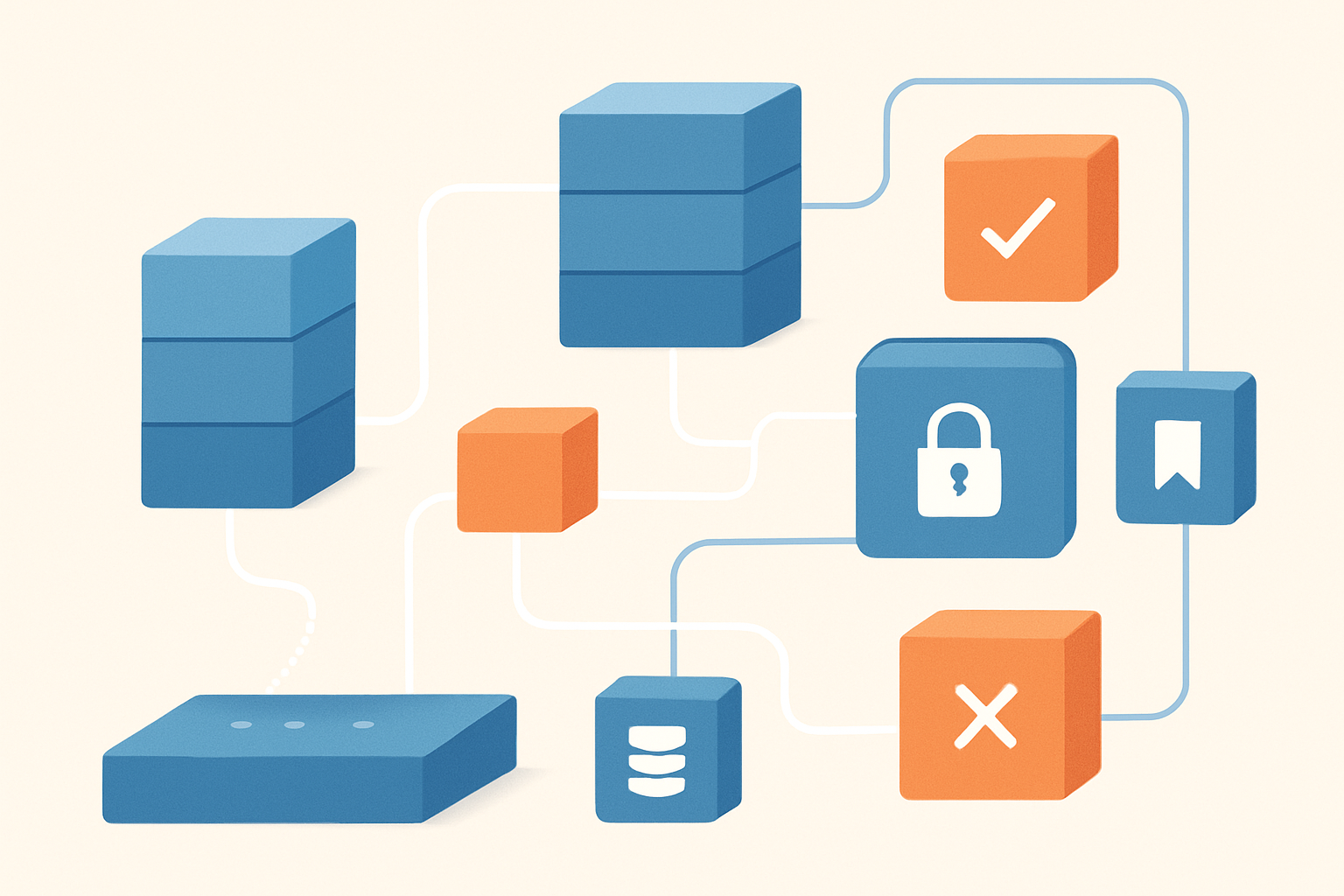
Technical SEO is the work of improving a website’s infrastructure and technical setup so search engines can discover, crawl, render, understand, index, and rank its pages effectively. It covers website architecture, crawl controls, indexation, page speed, mobile usability, structured data, security, and error handling.
It is not the same as writing a buying guide or earning a mention from an industry publication. Those activities build relevance and authority. Technical SEO makes sure search systems can actually reach and interpret the work you have already invested in.
Technical SEO is not just coding, either. An owner or growth lead should be able to identify which issue threatens revenue, decide who owns the fix, and verify that it worked. Implementation may sit with a developer, a Shopify specialist, a WooCommerce team, or an SEO professional.
Technical SEO vs. On-Page SEO vs. Off-Page SEO
These disciplines overlap, but they solve different growth constraints. A strong product page needs all three.
| Focus | Primary work | Commercial effect |
|---|---|---|
| Technical SEO | Crawlability, indexation, site structure, performance, and structured data | Helps search engines access pages and shoppers use them without friction |
| On-page SEO | Search intent, product copy, headings, metadata, and category content | Makes each page more relevant to the searches that matter |
| Off-page SEO | Digital PR, relevant links, brand mentions, and promotion | Builds the authority and trust that can support search engine rankings |
A well-written collection page can still fail if it has an incorrect noindex directive. A premium backlink cannot pass its full value to a product page that is orphaned, redirected repeatedly, or buried behind weak internal linking.
Why Is Technical SEO Important for Search Visibility and Revenue?
Technical SEO is important because it removes the barriers that keep valuable pages out of search results. A fast, mobile-friendly, well-structured website is easier for search engines to process and easier for shoppers to use, creating more opportunities for qualified organic traffic and revenue.
The commercial chain is straightforward: discoverable pages can be crawled, eligible pages can be indexed, understandable pages can compete for relevant searches, and usable pages give visitors a better chance to buy. Rankings still depend on relevance, content quality, competition, and authority, but technical barriers can stop the process before those factors matter.
It Makes Important Pages Discoverable, Crawlable, and Indexable
Discovery comes first. Search engines find URLs through internal links, XML sitemaps, external links, and past crawl history. Crawling is the process of requesting the page; rendering is processing its resources and JavaScript; indexing is the decision to store and potentially show that page in search.
Those stages are not interchangeable. A page can be crawled but omitted from the index because it is duplicate, thin, canonicalized elsewhere, or otherwise not selected. A URL can also be blocked from crawling yet still appear in limited form if search engines discover it through links.
For a retailer, this affects new seasonal collections, best-seller pages, promotional landing pages, and recently launched products. Internal links and an XML sitemap should reinforce the pages that matter. For practical context, see how XML sitemaps support search-engine discovery and how robots.txt directives affect crawler access.
A robots.txt file guides crawler access. A noindex directive asks search engines not to index a page. A canonical tag identifies the preferred version among similar URLs. A 301 redirect sends users and crawlers from an old URL to its replacement. Using one control where another is needed is a common cause of avoidable visibility loss.
It Improves the Experience That Shoppers Have on Your Store
Slow pages turn a simple product comparison into a frustrating wait. Unstable layouts move buttons as banners load, filters fail on small screens, and broken pages force shoppers back to search results instead of deeper into the catalog.
User experience is part of technical SEO because the underlying causes are often technical: oversized images, too many app scripts, render-blocking resources, weak caching, poor responsive behavior, or fragile navigation. The same problems can limit website performance and reduce the confidence needed to complete a purchase.
This matters most on mobile product and collection templates. A shopper looking at color variants, delivery details, reviews, and size options needs responsive navigation, readable content, reliable touch targets, and fast interactions, not a desktop design squeezed into a smaller screen.
It Protects the Value of Content, Links, and Paid Acquisition
Technical debt can turn productive marketing spend into leakage. A noindexed collection page cannot capture organic demand; a broken internal link can hide a new product range; duplicate product URLs can divide signals; a slow landing page can waste an expensive paid click.
That is why a technical SEO audit should be viewed as protection for content production, link building, digital PR, merchandising, and paid media. It identifies whether the pages carrying commercial value are accessible and whether site-wide issues are undermining them at scale.
For operators assessing the broader commercial case, why seo is important is closely tied to this point: visibility only becomes a dependable channel when the right pages can be found, understood, and converted.
The Core Technical SEO Pillars That Matter Most

A long list of warnings is not a strategy. Prioritize the issues that block high-value URLs, create widespread crawl waste, degrade mobile shopper experience, or make product information difficult to interpret.
Crawlability and Indexation Controls
Indexation controls determine which URLs deserve search visibility and which should remain out of the index. Retailers often need to exclude low-value internal search pages, duplicate filter combinations, account pages, or thin utility URLs while keeping category and product pages available.
Review the XML sitemap, robots.txt file, meta robots directives, canonical tags, HTTP status codes, redirects, and JavaScript rendering together. A correct canonical cannot rescue a product page that is unavailable to crawlers, and a crawlable URL is not automatically an indexable one.
Use exclusions with intent, not fear. This guide explains when a noindex directive is appropriate, but the critical question is always whether the affected URL serves a real search or shopper need.
Site Structure and Internal Linking
Category architecture should make commercial priorities obvious. A useful hierarchy usually moves from homepage to collections or categories, then subcollections, then products, with breadcrumbs and contextual links supporting the journey.
Keep priority pages within a shallow click path where practical. A new collection page can remain effectively invisible when no category, navigation, or contextual page links to it. Connect relevant pages with intentional internal links, especially from established collections and editorial content, because search engines and shoppers both use those routes to understand the catalog.
This is also why why seo audit is important becomes clearer as a catalog grows. An audit can expose orphan pages, redirected internal links, and category paths that look logical to a merchandiser but create poor discovery paths for crawlers.
Page Speed, Core Web Vitals, and Mobile Experience
Performance failures are most expensive where intent is highest. Image-heavy product pages, promotional banners, review widgets, personalization tools, and unnecessary app scripts can make the mobile experience slow at the exact moment a shopper is ready to compare or buy.
Core Web Vitals give teams practical targets. Largest Contentful Paint (LCP) measures how quickly the main visible content loads and should be at or under 2.5 seconds. Interaction to Next Paint (INP) measures responsiveness and should be at or under 200 milliseconds. Cumulative Layout Shift (CLS) measures unexpected visual movement and should be at or under 0.1.
Start with the templates that receive organic entrances and paid traffic. Compress and properly size hero and product images, reserve space for banners and media, reduce unused scripts, limit render-blocking resources, and test category filters on real mobile devices. Mobile-first indexing means the mobile version is central to how Google evaluates the page.
Structured Data That Helps Search Engines Understand Products
Structured data gives search engines machine-readable context about a page. For eCommerce, accurate Product, Offer, Review or AggregateRating where eligible, and Breadcrumb markup can clarify product names, prices, availability, ratings, and category relationships.
It is not a shortcut to rankings or a guarantee of rich results. The markup must match visible page content, remain current when inventory or pricing changes, and reflect what shoppers can actually see. Incorrect product structured data creates trust and maintenance problems rather than an advantage.
Duplicate URLs, Canonicals, Filters, and Product Variants
Ecommerce platforms can produce many paths to nearly identical content. Variants, size and color filters, sort parameters, tracking URLs, pagination, alternate collection paths, and inconsistent URL versions all create opportunities for duplicate content or confusing URL selection.
This is usually not an automatic penalty issue. It is a signal-consolidation and crawl-efficiency issue. Canonical tags, intentional indexation rules, clean internal links, and thoughtful faceted-navigation controls help search engines select the URLs that should represent your products and categories.
HTTPS, Error Pages, and Technical Trust
HTTPS is a baseline requirement for online stores handling personal, account, and payment-related information. Mixed-content warnings or insecure resources can damage shopper confidence, especially near product and checkout-adjacent journeys.
Monitor 404 pages, broken links, redirect chains, and 5xx server errors as well. Each one can interrupt a shopper path, waste crawl activity, and make a store look less reliable than the competitor one tab away.
Why Technical SEO Matters More for Shopify and WooCommerce Stores

Catalog complexity compounds technical risk. A ten-page brochure site may have a handful of templates; a growing retail site has product variations, collections, filters, internal search, images, merchant feeds, promotions, apps, retired SKUs, and regular merchandising updates.
Shopify and WooCommerce provide strong foundations, but platform convenience is not technical governance. Theme decisions, plugins, apps, URL behavior, collection logic, and third-party scripts still need oversight as the business changes.
Technical health review: Growing Shopify and WooCommerce stores often need more than a generic audit. SEO.DIGITAL’s eCommerce-focused technical SEO audits identify the issues affecting crawlability, indexation, speed, product discoverability, and organic revenue, then prioritize what to fix first.
Product Discovery Depends on Clean Category and Collection Architecture
Collections do more than organize inventory. They establish topical context, guide shoppers toward relevant products, and create internal routes that help search engines discover product pages.
Use clear category names, logical parent-child relationships, breadcrumbs, and direct navigation links for priority ranges. When collections are underlinked or products are assigned inconsistently, organic traffic can stall even when individual product pages are well optimized.
This work also supports why seo is important for ecommerce: category pages often attract broader, high-intent searches while product pages capture more specific demand. Both need a structure that makes sense to people and search systems.
Faceted Navigation Can Improve UX While Creating SEO Risk
Filters are useful because shoppers want to narrow a range by size, color, price, brand, material, or availability. The risk begins when every combination generates a crawlable, indexable URL with little unique value.
The answer is not removing useful filtering. It is deciding which filter states deserve standalone visibility, which should consolidate to a main category URL, and which should have controlled crawler or indexation behavior. That balance preserves user experience without allowing low-value URL volume to overwhelm important pages.
Platform Changes, Apps, and Catalog Updates Create Ongoing Risk
A theme update or new app can quietly change templates, scripts, internal links, or indexation settings. Bulk product removals can create broken URLs, and collection restructuring can alter breadcrumbs, canonicals, and navigation paths overnight.
Run a pre-launch and post-launch technical review around meaningful releases. For teams building a repeatable process, setting up a recurring technical site audit can help create a consistent review rhythm.
The point is operational control, not chasing a perfect score. Technical monitoring should catch changes before they affect the category and product pages responsible for qualified demand.
How to Prioritize a Technical SEO Audit
Issue count is a poor proxy for urgency. A single incorrect noindex on a revenue-driving collection can matter more than dozens of minor metadata warnings across low-value URLs.
Prioritize by affected revenue pages, severity, scale, crawl or indexation impact, shopper friction, and implementation effort. The following triage model keeps teams focused on commercial consequences.
| Issue type | Example | Why it matters | Priority |
|---|---|---|---|
| Indexation blocker | Top collection has noindex or a wrong canonical |
Removes a high-intent page from organic competition | Critical |
| Broken access path | Internal links lead to 404s or long redirect chains | Interrupts shoppers and weakens discovery | High |
| Performance failure | Mobile product template misses Core Web Vitals | Adds friction to high-intent visits | High |
| URL growth | Filters create thousands of low-value URLs | Dilutes crawl attention and URL signals | High |
| Markup gap | Product availability is inaccurate in structured data | Limits interpretation and can create data mismatch | Medium |
Generic tools can surface hundreds of issues, including warnings that have no material effect on revenue. An eCommerce-specific audit helps separate cosmetic findings from blockers affecting product visibility, shopper experience, and revenue.
Fix These Issues First
- Blocked priority pages: Confirm important category, product, and seasonal URLs can be crawled and are eligible for indexing.
- Wrong directives: Correct unintended
noindextags and canonical targets on commercial pages. - Broken journeys: Resolve widespread 4xx or 5xx errors, redirect chains, and broken internal links.
- Weak discovery: Add or repair paths to underlinked categories, collections, and products.
- Mobile friction: Address major page speed and Core Web Vitals failures on traffic-driving templates.
- Duplicate URL growth: Control facet, parameter, and variant URLs that consume crawl attention.
- Inaccurate product context: Validate structured data for relevant product and breadcrumb pages.
Monitor Technical SEO as the Store Changes
Technical SEO is an operating discipline, not a launch milestone. Review it after theme updates, migrations, seasonal launches, app installations, bulk catalog changes, and collection restructures.
For a stable store, a quarterly technical SEO audit is a sensible minimum recommendation. Stores with frequent merchandising or development releases should also run targeted checks before and after changes, then verify indexation, XML sitemap coverage, website performance, and mobile usability in Google Search Console.
A Practical Technical SEO Checklist for Ecommerce Brands
Use this checklist to frame conversations between marketing, development, and merchandising teams. It is designed to identify priorities, not replace technical implementation review.
Crawlability and Indexation Checklist
- [ ] Priority pages are crawlable, indexable, and represented consistently in navigation.
- [ ] XML sitemap includes canonical product, category, and content URLs that should appear in search.
- [ ] Robots controls do not block important commercial sections by accident.
- [ ] Noindex directives are reserved for low-value or intentionally excluded URLs.
- [ ] Canonical tags point to the preferred version of similar pages.
- [ ] Redirects and links lead directly to live, relevant destination pages.
Review XML sitemap best practices when checking whether sitemap coverage reflects the catalog that should be visible.
Performance and Mobile Checklist
- [ ] Mobile templates work cleanly across product, category, cart, and key landing pages.
- [ ] LCP performance is at or below 2.5 seconds on priority templates where possible.
- [ ] INP responsiveness is at or below 200 milliseconds for key interactions.
- [ ] Layout stability keeps CLS at or below 0.1 by reserving media and banner space.
- [ ] Image delivery uses appropriately sized, compressed product and hero assets.
- [ ] Script restraint limits unnecessary apps and third-party code.
Architecture, Product Data, and Ongoing Maintenance Checklist
- [ ] Category hierarchy reflects how shoppers search and browse the range.
- [ ] Breadcrumbs and links prevent priority products and collections from becoming orphaned.
- [ ] URL controls manage duplicate paths from filters, variants, parameters, and sorting.
- [ ] Structured data accurately matches visible names, prices, stock, and ratings where eligible.
- [ ] HTTPS and errors are monitored for mixed content, broken pages, and server failures.
- [ ] Release checks happen before and after meaningful theme, app, or catalog changes.
- [ ] Recurring audits focus on the pages and templates tied to organic revenue.
Is Technical SEO Still Worth It in an AI Search Era?
AI has changed some search behaviors, but it has not removed the need for accessible, interpretable, credible web content. Search engines and AI-driven systems still need to retrieve, process, and understand information before they can surface it.
Technical SEO is not a standalone tactic for earning AI citations. Clean crawlability, clear hierarchy, consistent metadata, and accurate structured data reduce friction in how systems interpret a store and its content. Useful buyer-intent content, authentic community relevance, and authority-building work remain essential alongside the technical layer.
For retailers, the practical standard remains the same: make the best pages easy to access, clear to understand, and valuable to visitors. That approach supports traditional search results while keeping the site prepared for changing discovery experiences.
Frequently Asked Questions About Technical SEO
What is the difference between SEO and technical SEO?
SEO is the broader practice of improving organic visibility through technical work, on-page relevance, content, and off-page authority. Technical SEO is the infrastructure-focused part that helps search engines crawl, render, understand, and index a site so the other SEO investments can perform.
Is SEO still worth it in 2026?
Yes. Organic traffic can still attract high-intent visitors over time and reduce overreliance on paid acquisition, but it is not guaranteed or instant. Sustainable results require useful content, credible authority signals, technical health, and measurement tied to commercial outcomes.
What does technical SEO do?
Technical SEO removes barriers that prevent a site from being crawled, rendered, indexed, and used effectively. It covers indexation controls, site structure, internal linking, performance, mobile usability, structured data, security, and error management.
Is SEO dead now with AI?
No. AI changes how people discover information, but it does not eliminate the value of clear, accessible, trustworthy web pages. Technical SEO supports interpretation and access; it does not promise rankings or inclusion in AI-generated answers.
Why is technical SEO especially important for eCommerce websites?
Ecommerce sites have more URLs, templates, product variants, filters, media, categories, and frequent updates than most sites. That creates more opportunities for duplicate content, crawl waste, slow pages, indexation mistakes, and product-discovery failures, especially under mobile-first indexing.
Build an Ecommerce Store That Search Engines and Shoppers Can Use
Technical SEO matters because your most valuable category and product pages must be accessible, interpretable, fast, and easy to use before they can reliably contribute to organic revenue. Start with indexation blockers, then strengthen architecture, improve mobile performance, control duplication, validate structured data, and monitor every meaningful store change.
For Shopify and WooCommerce brands generating $50k+ MRR, book a call with SEO.DIGITAL for a no-obligation deep-dive consultation. You will receive a bespoke technical SEO and growth roadmap focused on the barriers limiting qualified organic traffic and revenue, backed by transparent retainers and no hidden fees.