
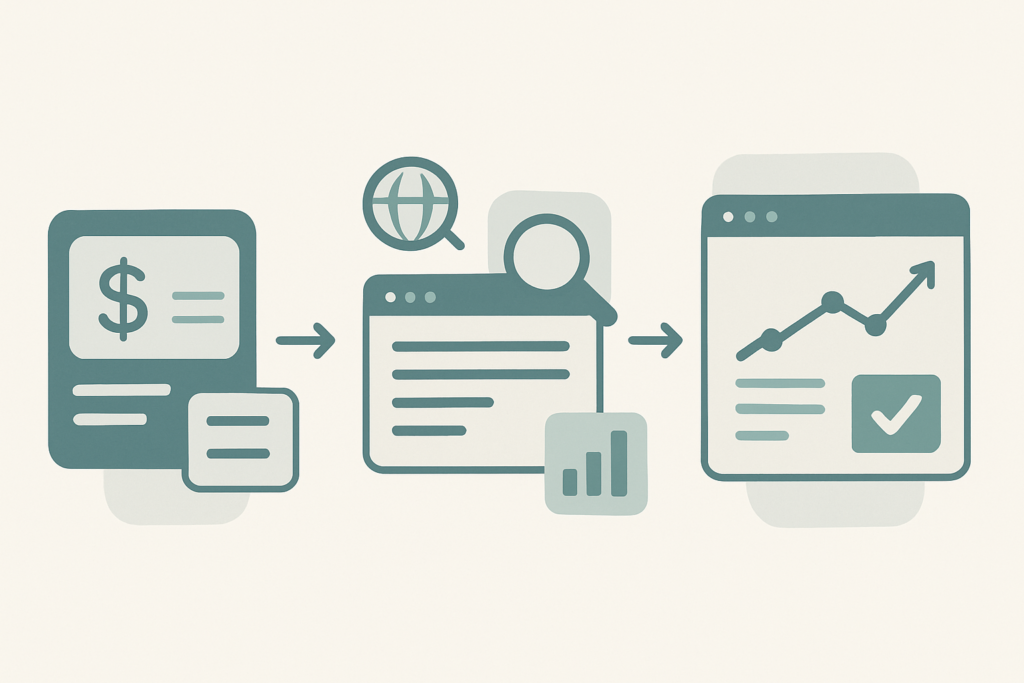

Learning SEO is accessible when you learn it in the right order. Is learning seo hard? Not at the beginner level, but turning those basics into dependable organic traffic and revenue takes practice across content, technical SEO, analytics, and authority building.
You do not need to code, memorize ranking factors, or buy an expensive tool stack to begin. You do need a real page to improve, a clear audience need to solve, and enough patience to judge results over months rather than days.
The outdated view treats SEO as a bag of tricks for moving rankings. Strong modern SEO is closer to operational problem-solving: make valuable pages easy to find, easy to understand, credible enough to trust, and useful enough to convert. This guide separates the learnable basics from the work that earns expert-level results.
Is Learning SEO Hard? The Honest Short Answer
SEO is easy to start and difficult to master. A beginner can learn keywords, title tags, headings, search intent, and basic search engine behavior quickly. The hard part begins when you must decide which issue matters most, implement changes safely, and measure whether those changes improved qualified traffic.
Search engines do not reward a checklist simply because it was completed. They assess pages in a competitive context, where other brands are improving their content, site experience, product information, and authority at the same time.
For a useful companion perspective, read is seo hard to learn when you want a focused beginner roadmap alongside the practical steps below.
What Is Easy to Learn First
Start with the concepts that create immediate clarity:
- Search discovery: Crawling is how search engines find pages. Indexing is how they store and assess those pages for possible results.
- Keywords and intent: Keywords reveal the language people use. Intent reveals what they actually want, such as advice, comparison, or a product.
- Page signals: Titles, headings, URLs, internal links, and image alt text help communicate a page’s topic.
- Useful content: Content optimization means answering the searcher’s need clearly, accurately, and more helpfully than a thin or generic alternative.
None of this requires a technical background. A well-built page about “best running socks for winter,” for example, should explain materials, warmth, fit, care, and relevant product choices rather than repeat the phrase unnaturally.
What Makes SEO Hard to Master
The difficulty is judgment under uncertainty. Four problems create most of the friction:
- Slow validation: Rankings and organic traffic often need three to six months or longer to show a reliable pattern.
- Conflicting advice: Search is full of old tactics, tool-led recommendations, and broad claims that do not fit your site.
- Complex dependencies: Technical SEO fixes may require developers, platform knowledge, testing, and careful QA.
- Commercial stakes: A revenue-generating store cannot casually change category structure, product URLs, or indexation rules without risk.
SEO tools can surface a problem. They cannot tell you whether a crawl issue, a weak category page, a missing content cluster, or a competitor’s authority is the first constraint to address.
What SEO Actually Includes
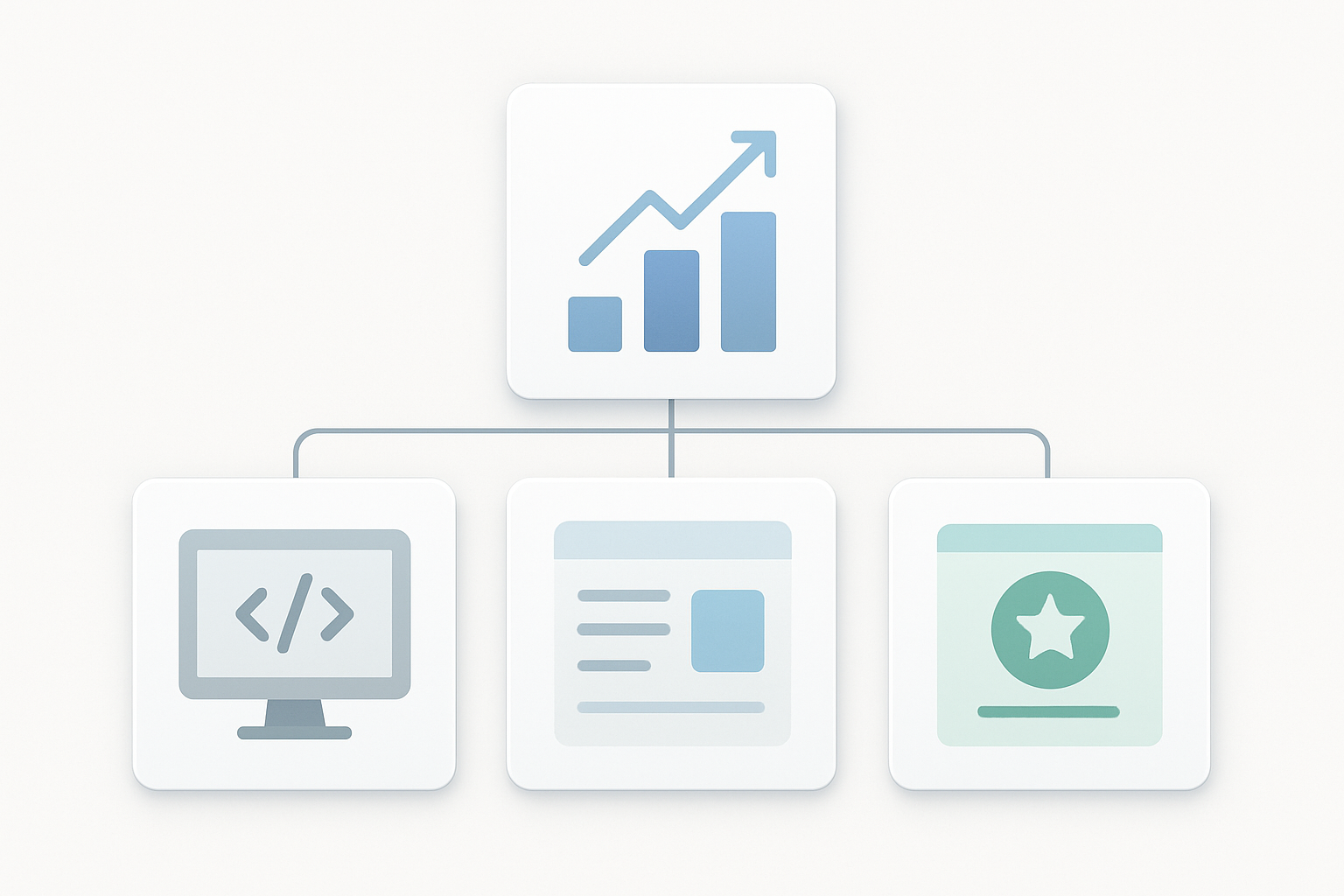
SEO is a connected system, not one task assigned to a content writer or developer. You can learn the pillars one at a time, but they eventually work together.
| Pillar | Easy to learn first | Takes longer to master | When to involve an expert |
|---|---|---|---|
| Technical SEO | Crawling, indexing, sitemaps, basic site checks | Canonicals, faceted navigation, migrations, structured data | Sitewide errors, lost indexation, platform changes |
| On-page SEO | Titles, headings, intent, internal links | Page prioritization and competitive content gaps | High-value category or product pages underperform |
| Content | Customer questions and useful page structure | Topic strategy, editorial systems, conversion-focused copy | Content must support major revenue targets |
| Off-page authority | Why credible mentions matter | Digital PR, relevant link building, brand trust | Competitive categories need earned authority |
Technical SEO: Helping Search Engines Find and Understand Your Store
Technical SEO makes the store legible to both search engines and shoppers. It covers crawlability, indexation, site architecture, XML sitemaps, mobile usability, speed, structured data, and errors that stop important pages from appearing in search results.
On Shopify and WooCommerce, the risk is often structural. A store can create duplicate URLs through filters, leave valuable collection pages poorly linked, or let low-value parameter pages consume crawl attention. Product variants, pagination, canonicals, redirects, and out-of-stock handling all need deliberate rules.
A store can have excellent products and useful content but still lose visibility when technical issues prevent important pages from being crawled or indexed correctly. That is one reason benefits of learning seo include knowing when a technical issue needs investigation rather than another blog post.
Coding helps with advanced work, but foundational understanding does not require it. You should be able to recognize what a sitemap does, why a canonical exists, and why a developer ticket needs a clear business priority.
Technical reality: One incorrect indexation rule can affect hundreds or thousands of product and collection pages. That is a very different learning environment from optimizing a personal blog.
If your Shopify or WooCommerce store has meaningful organic revenue or technical uncertainty, SEO.DIGITAL can provide a custom strategy and site-health audit covering crawlability, indexation, content priorities, and authority gaps.
On-Page SEO and Content: Matching What Searchers Need
On-page SEO is where you make a page’s purpose unmistakable. The work includes keyword research, search intent, title tags, meta descriptions, headings, URLs, internal linking, alt text, product or category copy, and page experience.
Start by matching the page type to the search. “How to clean a cast-iron pan” needs a practical guide. “Buy cast-iron pan 12 inch” needs a strong commercial page with specifications, pricing, reviews, shipping details, and clear buying support.
Good keyword research does not mean placing one phrase everywhere. It means understanding the terms, questions, comparisons, and objections a customer has before they choose a product. If you need a primer, a beginner guide to learning SEO can help organize the fundamentals.
AI can help create an outline or identify common questions. It cannot replace firsthand product knowledge, customer-service insight, accurate claims, or the editorial judgment required to make a page worth choosing.
Off-Page SEO: Earning Authority Beyond Your Website
A strong site still needs evidence that others trust it. Off-page SEO includes earned backlinks, relevant brand mentions, digital PR, credible reviews, and genuine participation where your customers already discuss products and problems.
Link building becomes difficult because quality beats volume. A relevant editorial mention from a publication, specialist retailer, or respected community can be more useful than a pile of low-quality directory links. Buying spammy links may create short-term noise and long-term cleanup work.
Authority research also requires context. You can explore Ahrefs for SEO research to inspect link profiles and competitor patterns, but the useful question is not “How many links do they have?” It is “Why would a credible source cite this brand, resource, product, or expertise?”
Why Learning SEO Feels Overwhelming for Beginners
Most beginners do not fail because SEO is too complicated. They get stuck because they try to learn every discipline, every tool, and every opinion before improving a single page.
Jargon adds unnecessary pressure. Terms such as canonicalization, schema markup, and crawl budget matter in the right context, but they do not belong at the top of every learner’s priority list.
A better sequence is simple: understand how a search works, research one audience problem, improve one relevant page, then measure what happened. Repetition creates SEO skills faster than passive consumption.
The Slow Feedback Loop Makes SEO Harder Than It Looks
SEO has a delayed scorecard. A new title may be recrawled quickly, but meaningful performance can depend on competition, site health, content depth, implementation speed, seasonality, and your existing authority.
That delay makes people chase false signals. They change titles, URLs, copy, and internal links all at once, then cannot tell which action helped or hurt. Change one meaningful variable where possible, document it, and give search engines and users time to respond.
For eCommerce teams, measure more than rankings. Non-branded impressions, clicks, engaged sessions, product-page visits, conversion rate, and organic revenue reveal whether website traffic is commercially useful.
Tools Help, but Interpretation Is the Real Skill
Tools are useful because they reduce blind spots. Google Search Console can reveal queries, indexed pages, and coverage issues. Analytics can show what visitors do after they arrive. Keyword tools can estimate demand and expose related searches.
The skill lies in turning those signals into a decision. A page with many impressions and few clicks may need a stronger title or a better match to intent. A page that gets traffic but does not convert may have a product-information or user experience problem, not an SEO problem.
Use search-interest trends over time to spot seasonal demand shifts before committing to a content calendar. Treat trend data as context, not as a substitute for customer research or revenue data.
How Long Does It Take to Learn SEO?
Expect stages, not a finish line. Practitioner estimates commonly place SEO basics in the one-to-three-month range, while practical proficiency often takes six to twelve months of active work. Advanced technical SEO and competitive authority building continue to develop through real projects.
Your timeline depends on the scope of the site and the feedback you receive. Someone optimizing a small service page can learn quickly. Someone responsible for a large WooCommerce catalog, international URLs, paid-media attribution, and developer coordination faces a steeper curve.
A Realistic SEO Learning Timeline
| Stage | Typical focus | Evidence of progress |
|---|---|---|
| First few weeks | Crawling, indexing, keywords, titles, headings | You can explain why a page should rank and improve basic page signals |
| One to three months | Keyword research, page optimization, Search Console review | You publish or improve pages around clear search intent |
| Six to twelve months | Analytics, competitive research, technical prioritization | You can connect SEO work to traffic quality, conversions, and revenue |
| Ongoing | Advanced technical SEO, link building, experimentation | You make sound trade-offs across a changing site and market |
Course completion is a starting point, not proof of proficiency. The person who improves 20 real pages, reviews results, and learns from misses will develop better judgment than the person who watches 20 hours of videos.
Learn SEO Step by Step: A Beginner Plan That Avoids Overload

The fastest way to learn SEO is to give yourself a narrow, measurable assignment. Use a personal project, a small business site, or one low-risk section of an existing store. Do not begin by redesigning a whole website.
Step 1: Learn How Search Engines Work
Learn the three core processes: crawling, indexing, and ranking. Search engines discover pages through links and sitemaps, decide whether those pages belong in an index, then compare them against other possible answers for a query.
Focus on relevance, usability, and trust. There is no secret algorithm to reverse engineer from one page. There is a practical question to answer: can a search engine find this page, understand it, and see clear evidence that it helps the person searching?
Step 2: Practice Keyword Research and Search Intent
Find the language customers use before you write. Informational searches may include “how to choose a standing desk.” Buyer-intent searches may include “solid wood standing desk with drawers.” Those phrases should lead to different content formats and different calls to action.
Create a small list of terms for one product category or customer problem. Group similar queries, identify the dominant intent, and choose one existing or new page that can credibly satisfy it. Avoid keyword stuffing, which weakens readability and rarely solves the underlying need.
Step 3: Optimize a Real Page Before Building More Content
Real implementation turns theory into judgment. Work through this focused checklist:
- Clarify intent: State the exact question or buying need the page should meet.
- Align the page: Improve the title, primary heading, copy, and product information around that need.
- Answer objections: Add sizing, materials, comparisons, delivery details, care guidance, or FAQs that customers need.
- Strengthen pathways: Add useful internal links to related collections, guides, and products.
- Remove friction: Review image alt text, mobile layout, load speed, and confusing calls to action.
Once you can identify which pages attract qualified visitors but fail to answer their needs, optimization becomes a repeatable business process rather than a guessing game. Following top 10 seo blogs can keep your knowledge current, provided you test advice against your own site and customer data.
Owners of established Shopify and WooCommerce stores do not need to become full-time SEO specialists to make sound decisions. When internal capacity is limited, SEO.DIGITAL can handle the deeper technical, buyer-intent content, and authority work while your team stays focused on operating the business.
Step 4: Measure, Learn, and Iterate
Choose metrics that guide the next action. Monitor impressions and clicks to understand visibility, rankings to track major terms, organic traffic to assess reach, and conversions and revenue to assess business value.
Keep a simple change log. Record the page, the change, the date, the expected outcome, and what happened. This protects you from vague reporting and helps you identify patterns worth repeating.
Is SEO Dead Now With AI?
SEO is not dead because people still use search engines and AI-powered discovery tools to find answers, products, brands, and comparisons. AI makes generic content easier to produce, which raises the standard for useful information and credible brands.
The fundamentals remain intact. Pages need to be accessible, understandable, relevant, and trustworthy. Brands still need clear product data, firsthand expertise, reliable reviews, useful content, and credible mentions that make them worth recommending.
What Still Matters in AI-Era SEO
The bar has moved from publishing more pages to earning attention and trust. Prioritize the work that generic copy cannot fake:
- Firsthand knowledge: Product expertise, original examples, customer insight, and accurate details.
- Clear commerce pages: Helpful specifications, comparisons, availability, returns, and delivery information.
- Technical accessibility: Fast, mobile-friendly pages that search systems can crawl and interpret.
- Credible authority: Relevant editorial coverage, authentic reviews, and community discussion.
Keep an eye on trends in seo, but avoid rebuilding your strategy around every headline. The durable response to changing interfaces is to create a brand and website that deserve to be found, cited, and purchased from.
Is Learning SEO Worth It in 2026?
SEO knowledge remains valuable for career changers, marketers, and business owners. Search behavior changes interfaces, but customers still express needs through queries, compare options, and research purchases across search-driven platforms.
For marketers, SEO skills improve content planning, paid-search coordination, reporting, and website prioritization. For business owners, SEO fundamentals make it easier to assess agency recommendations, challenge vanity metrics, and understand where paid-acquisition dependence can be reduced.
When to Learn SEO Yourself—and When to Bring in Specialists
Learn internally when your site is small, the risk of mistakes is low, and your goal is foundational knowledge. You can build strong instincts by optimizing pages, researching customers, and using data to guide content decisions.
Bring in specialists when organic growth is tied to meaningful revenue, the site has technical complexity, competitive categories are expensive, or your team lacks time to execute consistently. The question is not whether you are capable of learning SEO. It is whether trial and error on a live store is the best use of your time and budget.
Specialist support is especially useful when the work spans technical fixes, content systems, digital PR, relevant link building, and revenue attribution. Those disciplines need coordination, not isolated tasks.
Final Answer: SEO Is Learnable, but Results Require Consistent Execution
SEO is not too hard to begin. Learn the fundamentals, improve one page for one audience need, and use the result to choose your next action.
Mastery is harder because it requires sustained implementation, analysis, strategic prioritization, and adaptation. That is true for aspiring SEO specialists and even more true for teams responsible for a revenue-producing eCommerce store.
Frequently Asked Questions
Is SEO Easy to Learn for Beginners?
Yes. SEO basics such as search intent, keyword research, title tags, headings, and internal links are accessible to beginners. Confidence comes from applying them to a real page, observing what changes, and refining your approach instead of trying to learn every technical concept at once.
What Is SEO Job Salary?
SEO job salary varies widely by location, experience, technical specialization, industry, and employment model. An in-house SEO specialist, agency employee, consultant, and freelancer may have very different earning structures. Build practical SEO skills and measurable results before treating any salary estimate as a reliable benchmark.